It’s been a long while since I posted about this project (actually, it’s been four weeks, but it feels like four months). In the meantime, it has gone from being titled “Cracked,” to “A Pound of Cure,” to being a set of three pieces, each with their own titles, which I’ll get to shortly.
To re-cap, I’d originally envisioned pieces of cracked earth that are shaped as plates underneath, inspired by formations of dried riverbank mud I came across on the shores of the North Saskatchewan River a few years back. These pieces were meant to convey the drought we’ll face in this part of Canada as a result of climate change.
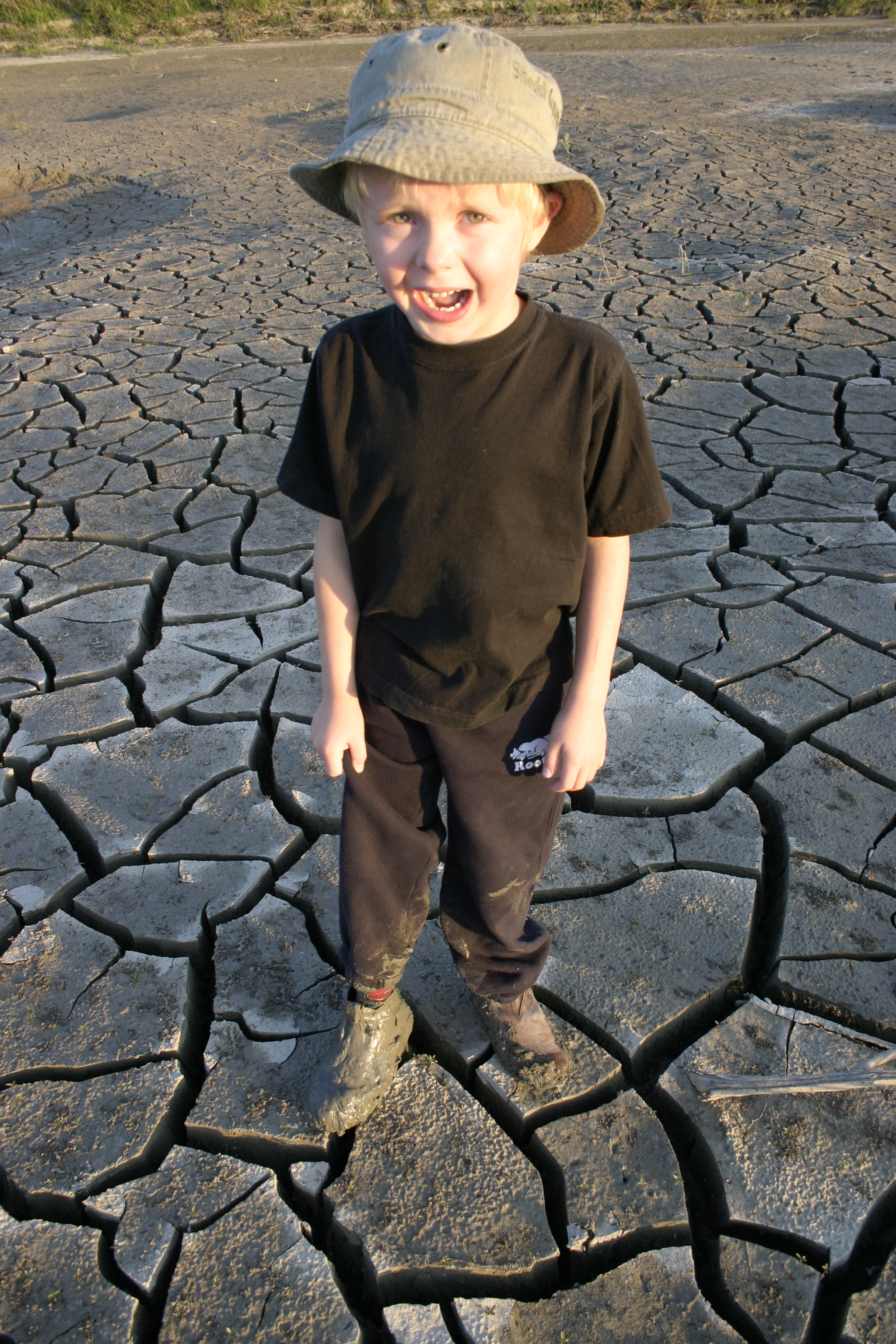

My attempts at getting clay to crack in a way that mimics the forms caused by drying riverbank earth/clay failed.

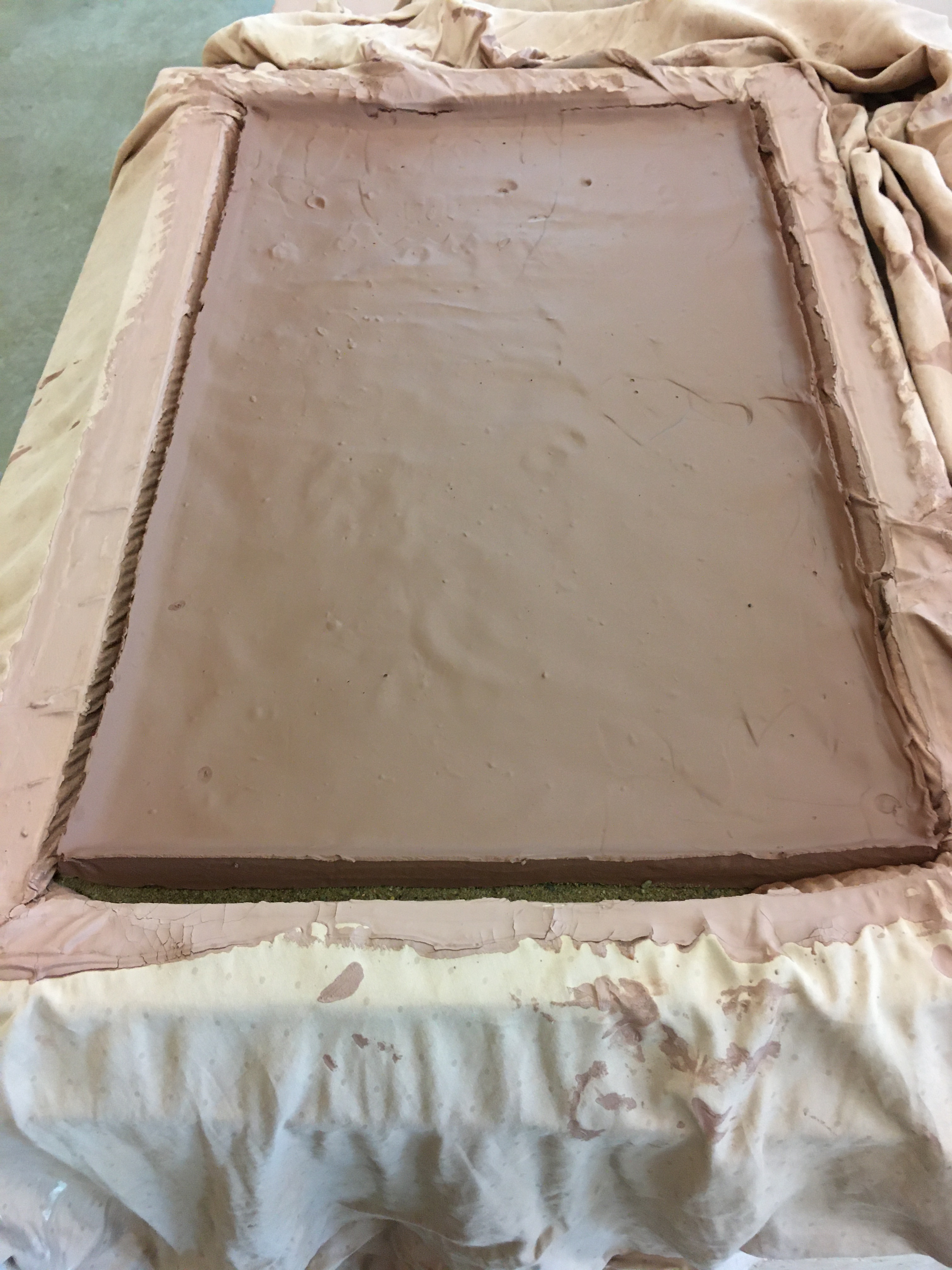
I may return to this idea once I can use the natural elements found outdoors. It was -30C when I worked on this project.
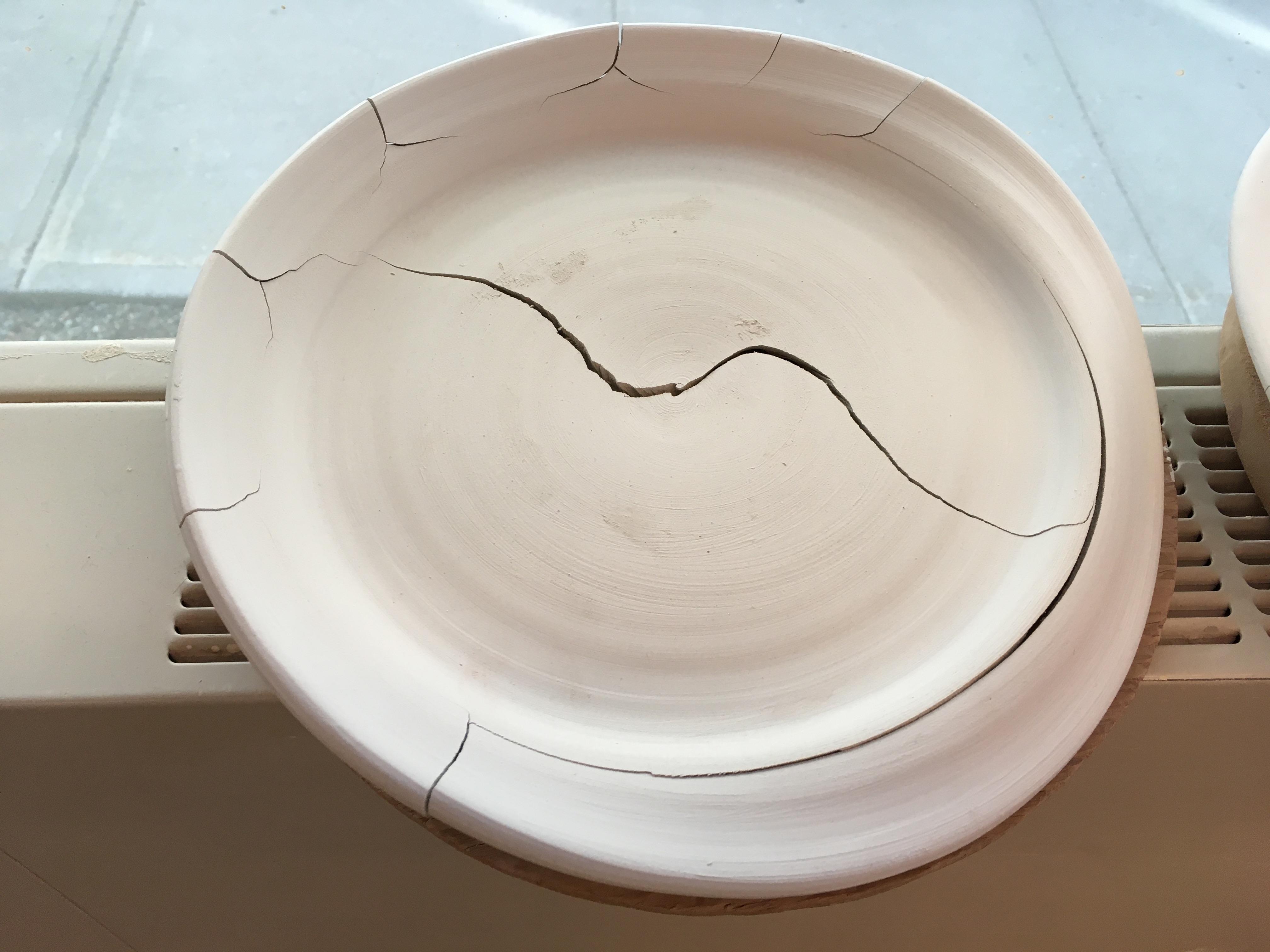
So, I came up with a second version of this project: throwing plates on the wheel that have cracks in them. Plates are very difficult to throw, and they are notorious for cracking if any part of the process isn’t done well.
It took me a while, but by doing everything as wrongly as possible, I achieved very cracked plates.

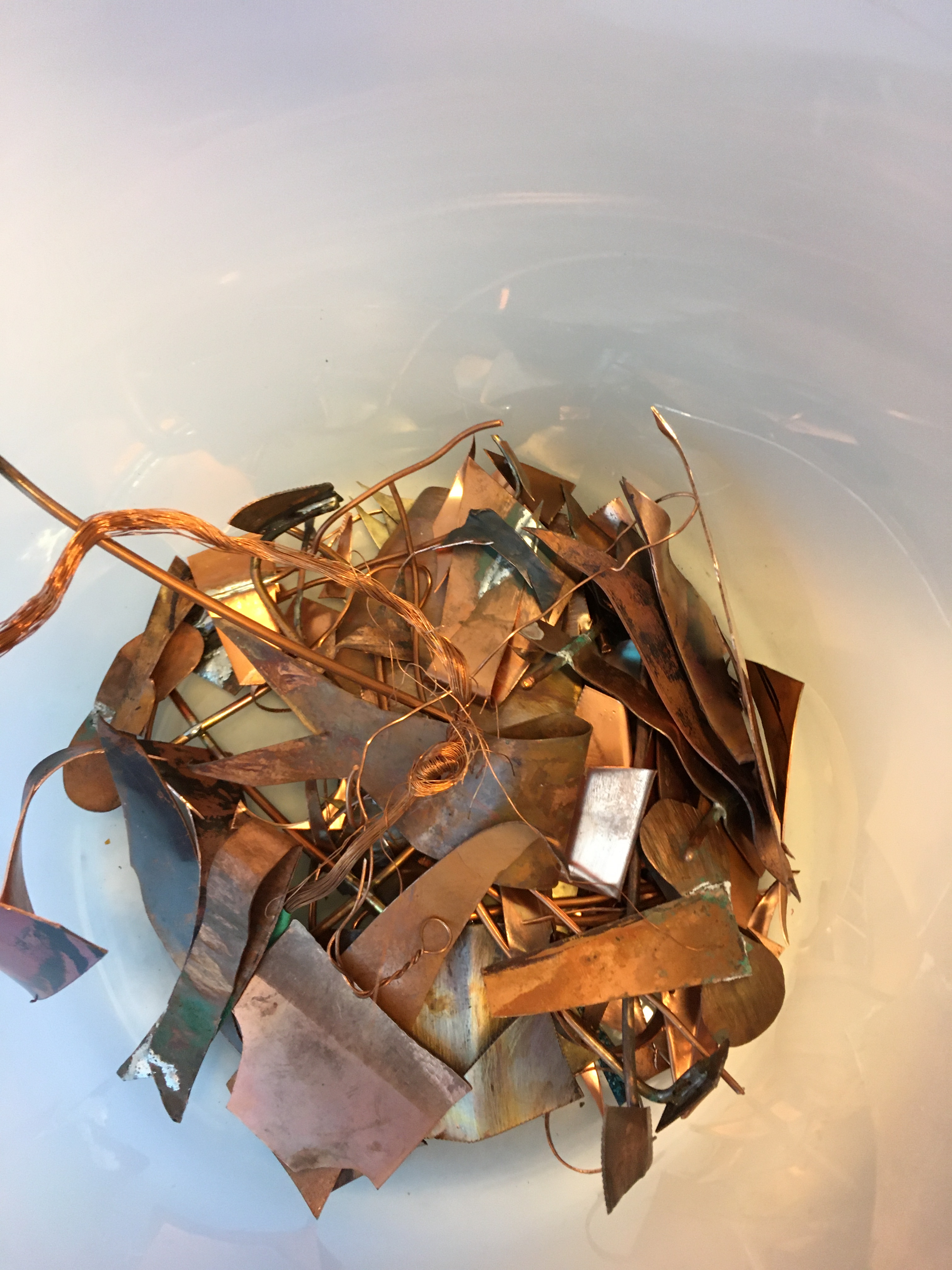
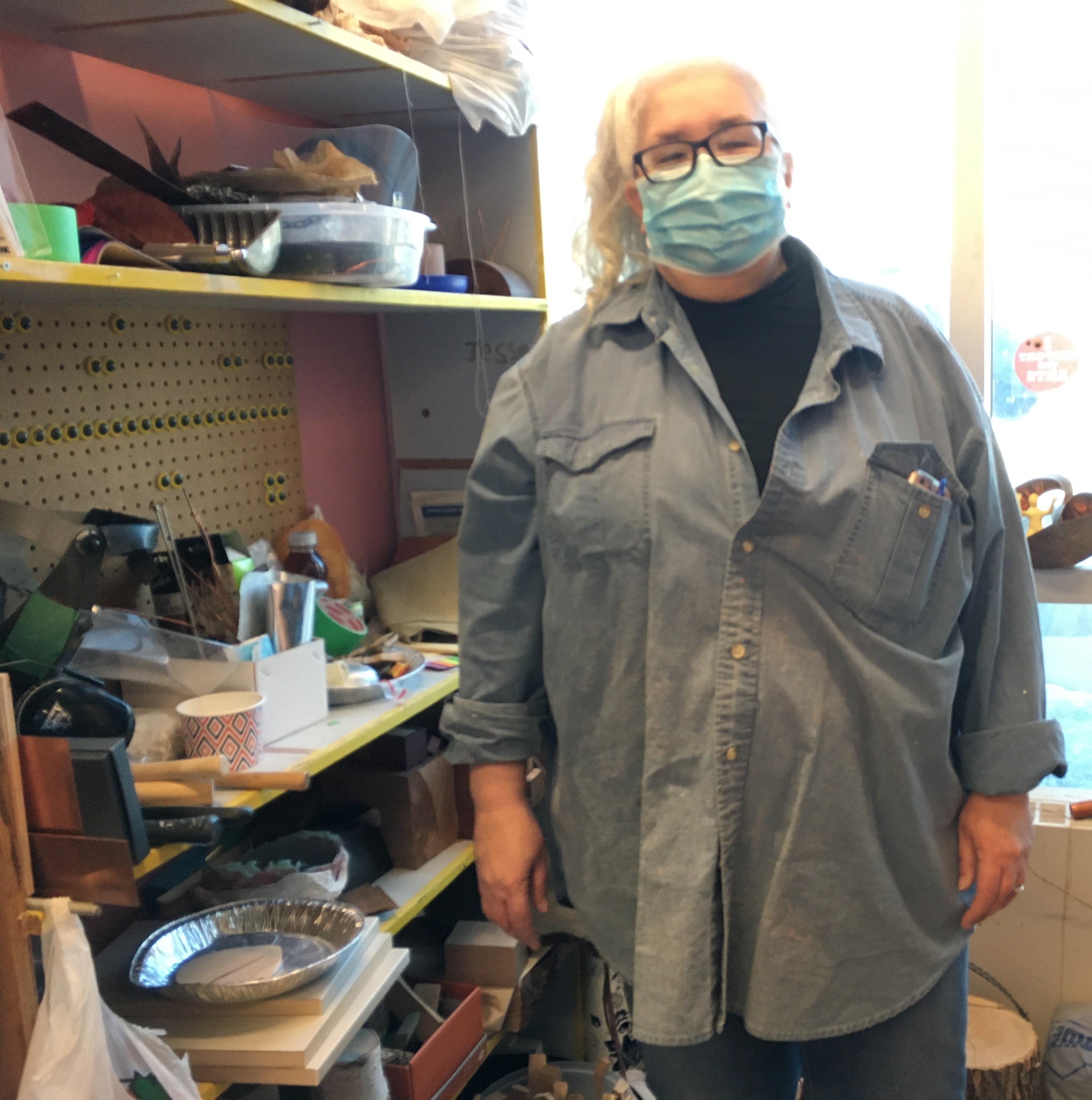
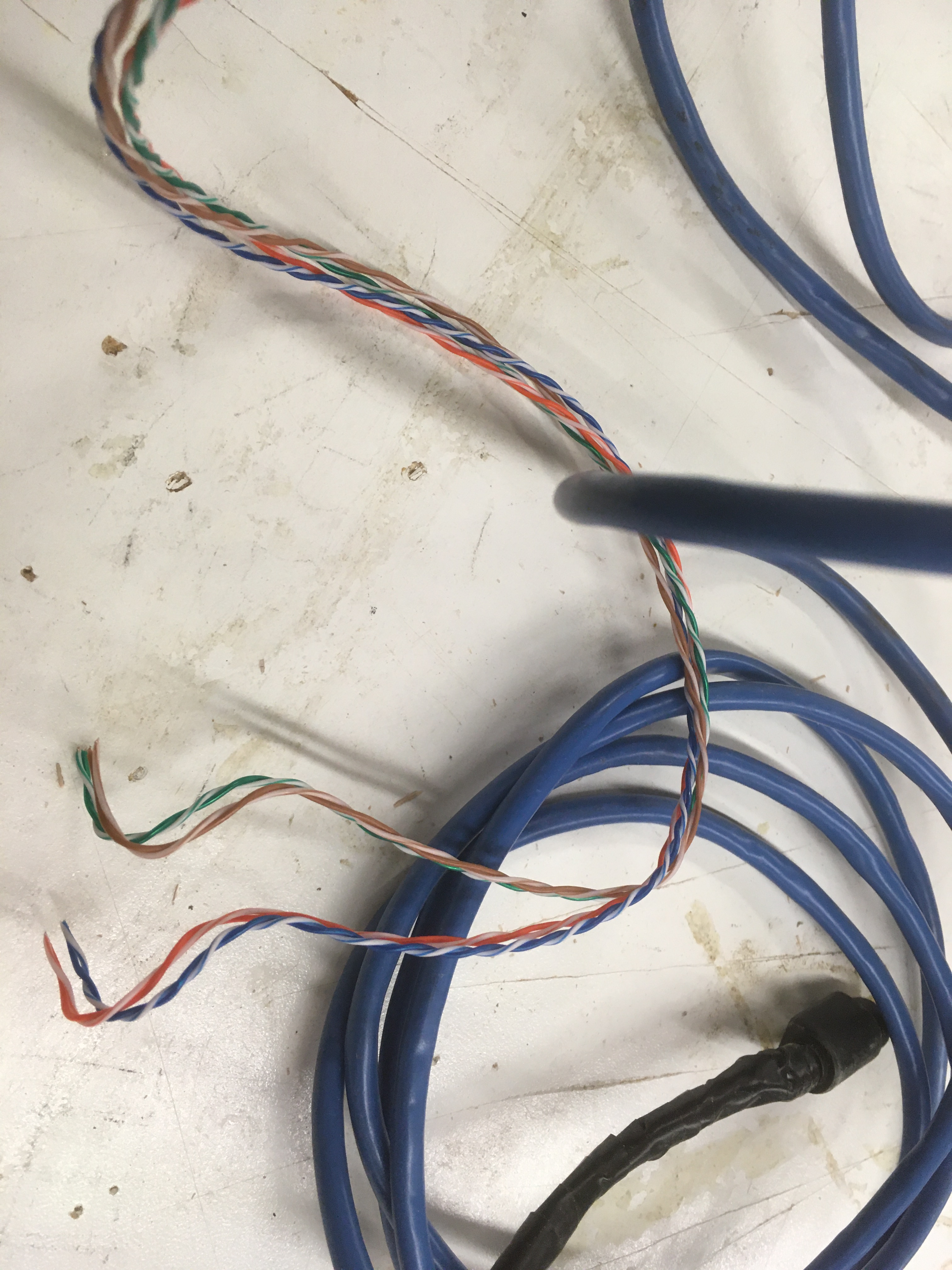
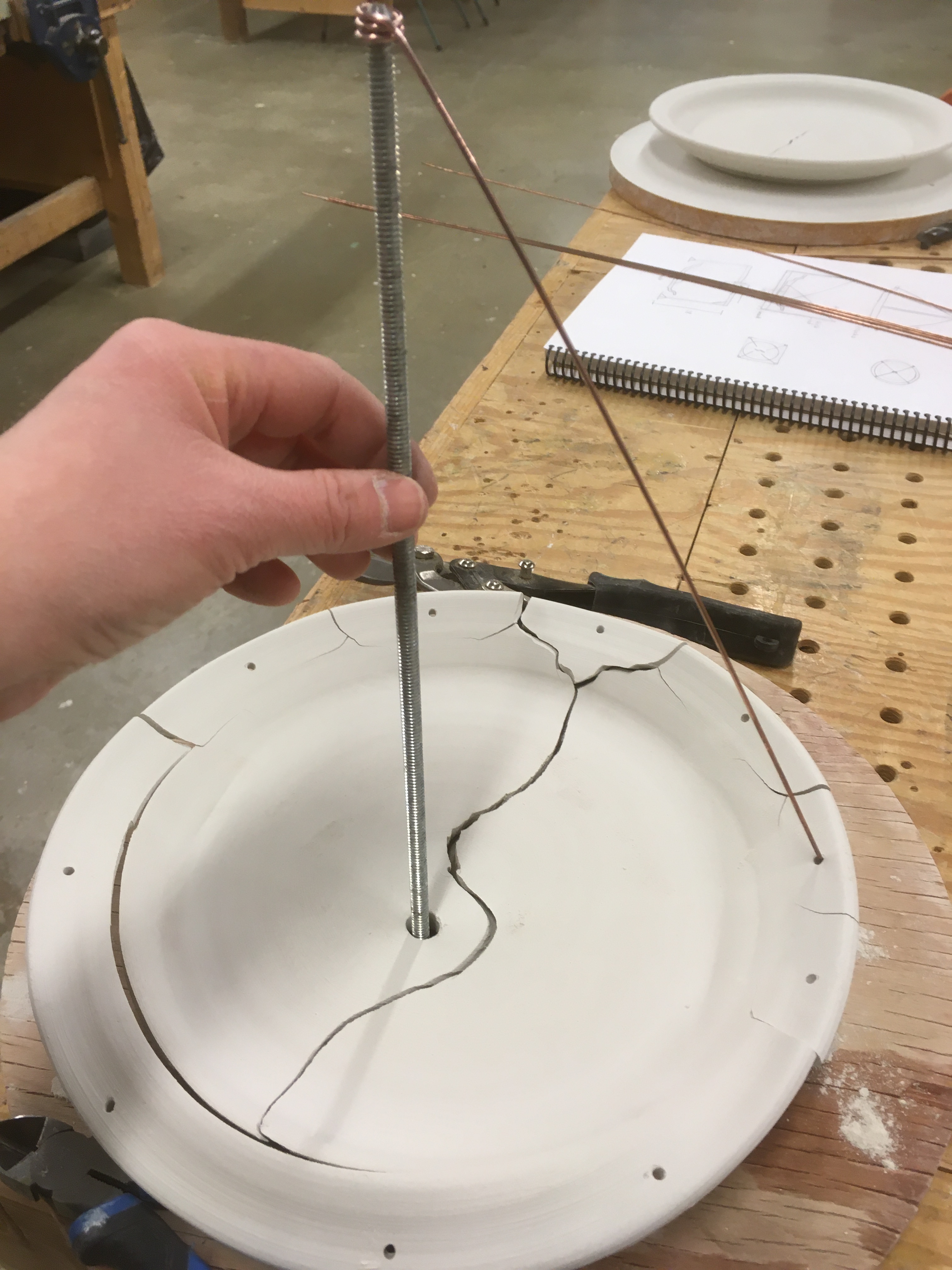
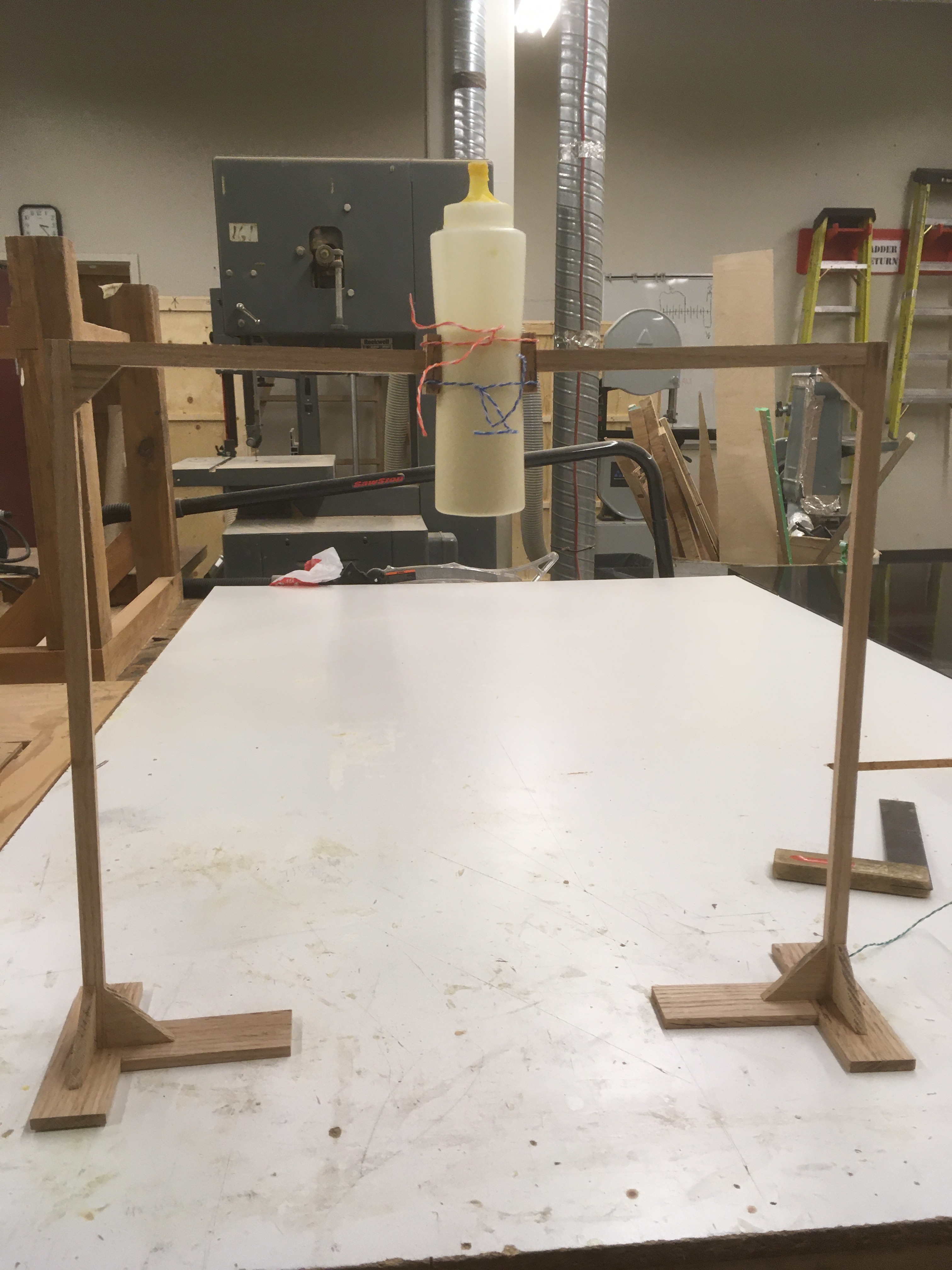
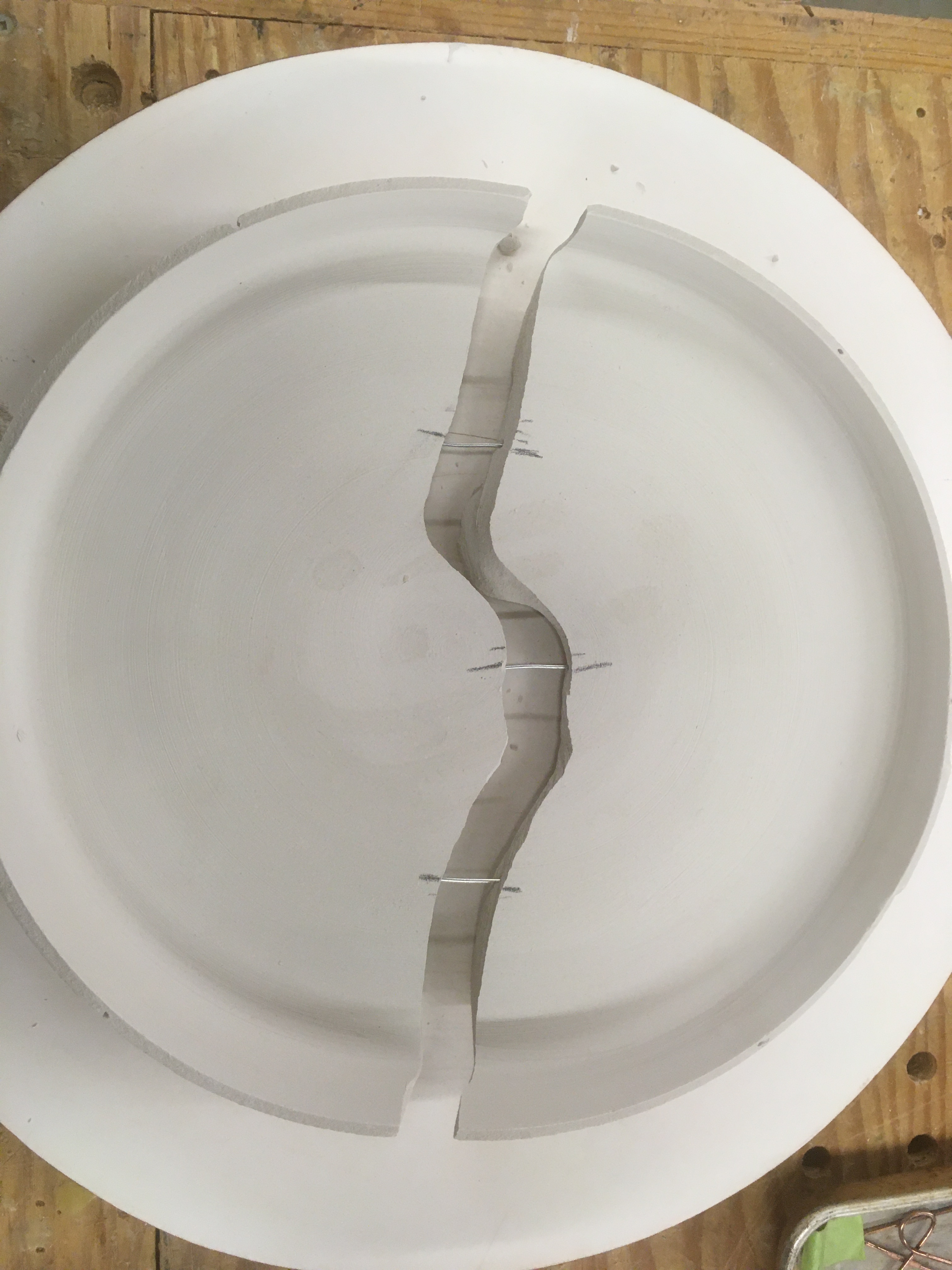

Around this time, I had the great fortune of meeting a fellow Visual Arts student, Maggie Dixon, and receiving a few scraps of metal from her treasure-trove studio. I got to work designing and building “repairs” for these plates. Jesse Goddard, a Visual Arts Technician, let me use the woodshop and helped me build a stand from which to suspend a bottle of white glue.
At this point, my idea with this set of cracked plates, which I’d titled “A Pound of Cure,” was to convey the foolishness of relying on technology alone to save us.
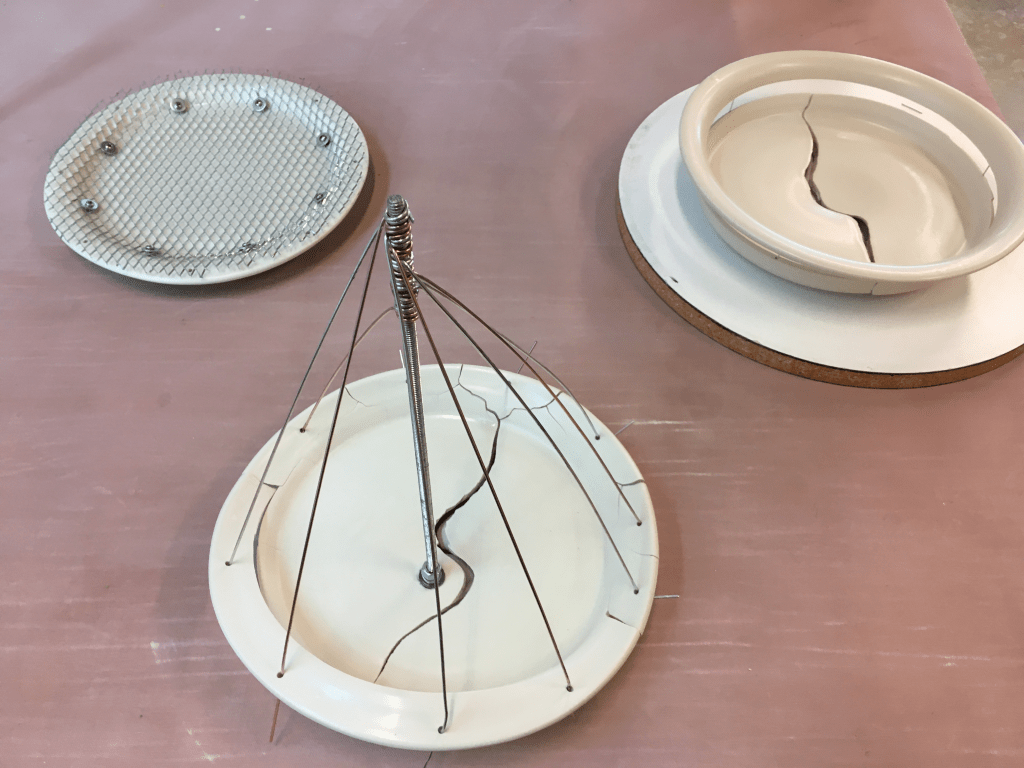
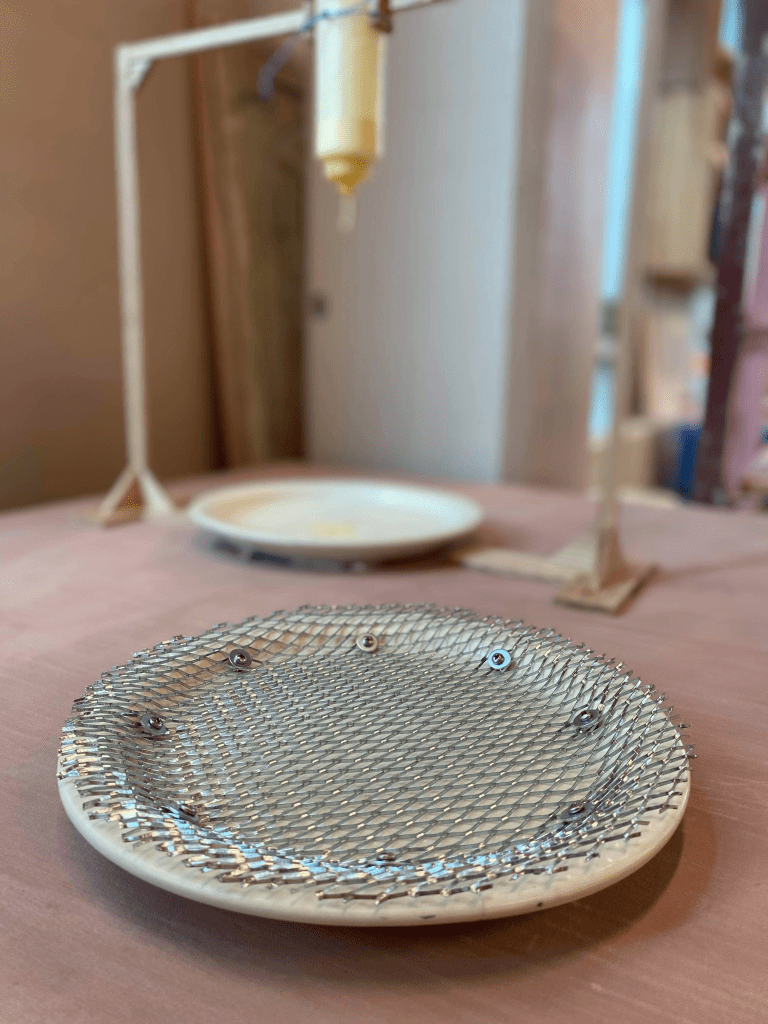
My thinking was (and still in part is) to build these contraptions that are meant as ridiculous attempts at repairing these plates. Rather than improve the skill with which we live (or throw pots), we continue to destroy the planet (throw faulty pots) and hope others will find ways of repairing the damage. I’ve read a bit about proposed technological solutions to climate change. As I posted about recently, Elizabeth Kolbert’s Under a White Sky: The Nature of the Future gives a good overview of the situation we’re dealing with and a glimpse into several extreme technological solutions being developed (and in some cases, employed) around the globe. In her concluding comments, Kolbert writes:
This has been a book about people trying to solve problems created by people trying to solve problems. In the course of reporting it, I spoke to engineers and genetic engineers, biologists and microbiologists, atmospheric scientists and atmospheric entrepreneurs. Without exception, they were enthusiastic about their work. But, as a rule, this enthusiasm was tempered by doubt. The electric fish barriers, the concrete crevasse, the fake cavern, the synthetic clouds—these were presented to me less in a spirit of techno-optimism than what might be called techno-fatalism. They weren’t improvements on the originals; they were the best that anyone could come up with, given the circumstances. (200)
Kolbert, Elizabeth. Under a White Sky: The Nature of the Future. New York: Random House, 2021.
I saw my cracked plates as a response to this situation. Even the experts, sincere in their efforts to find solutions to this crisis, regret that their work is necessary, worry about the consequences of putting it to use, and doubt whether it’ll suffice. At this stage, the statement I’d written to accompany these plates went like this:
In “A Pound of Cure” (2021), I am suggesting the foolishness of relying on technology alone to save us. While some technology can help us reduce the damage we are causing to the planet, these solutions also require us to change much of the way we lead our lives, and we are not changing quickly enough. Other innovations proposed for getting us out of this crisis are too expensive, too slow, and too dangerous.
My supervisor, David, very usefully pointed out all kinds of problems with these pieces, most importantly:
- What is special enough about these plates to warrant saving them?
- Why would anyone fire broken plates?
- White glue??? No one would ever come up with a solution that ridiculous; it’s a strawman argument. Are all technological attempts at solving this problem equally foolish?
By the end of this conversation, I was completely freaking out. Not wanting to pass up an opportunity that had come up suddenly just weeks earlier, I’d agreed to enter work in a show at a local artist-run gallery, Neutral Ground, and was struggling to come up with finished pieces in time for my install date. My other project, “Dust,” was nowhere close to being ready to show, and I started to think I’d have to withdraw from the show.
David gave me a lot to think about. On the one hand, he told me about a couple of artists who only ever put out work that is perfect. On the other hand, there are always spaces out there where people can show work that isn’t perfect… and perhaps doing so could be useful somehow too. It was, or course, my call. I’m deeply indecisive. I hated being in this situation, and even though I understood that this was certainly not a life-or-death decision, the stress of it, on top of work, parenting, MFA classes, and Covid-anxiety, was wearing.
I sat on this decision for a while, then decided to speak with the organizer-curator at Neutral Ground, Amber Phelps Bondaroff to get her input. I explained the situation to her—that I had one project that was conceptually strong (“Dust”) but still in the experimental phase, and another project that could be finished on time but that was much weaker. Amber told me that the gallery is a space for, among other things, artists (especially emerging ones) to take chances. Our chat encouraged me to install “A Pound of Cure” as well as “Dust” and to take any input I got from the experience and put it to use in developing these projects further. Done. I was reassured I’d have something in the show, though I still felt uncomfortable about showing work that I knew was flawed.
Then, on the day of the install, I had an “aha moment.”
These pieces aren’t a criticism of technology, or even a criticism of my species (well, maybe there’s still a bit of that); these pieces are mostly about my own anxiety over the crisis we’re dealing with. While biking to the studio that morning to do the finishing touches on one of these plates, it hit me that they represent how I feel about the idea of “people trying to solve problems created by people trying to solve problems.” I feel utter hopelessness at the prospects of anything working out. At the same time, there’s nothing I can do about the crisis or how I feel. I can’t solve the climate crisis. I can’t help feeling that all of my efforts are futile. I can’t tell my son that things are going to be okay. Likewise, I can’t just quit living. Really, I’m the one who needs repair.
Kolbert writes about an idea to keep the ice from melting:
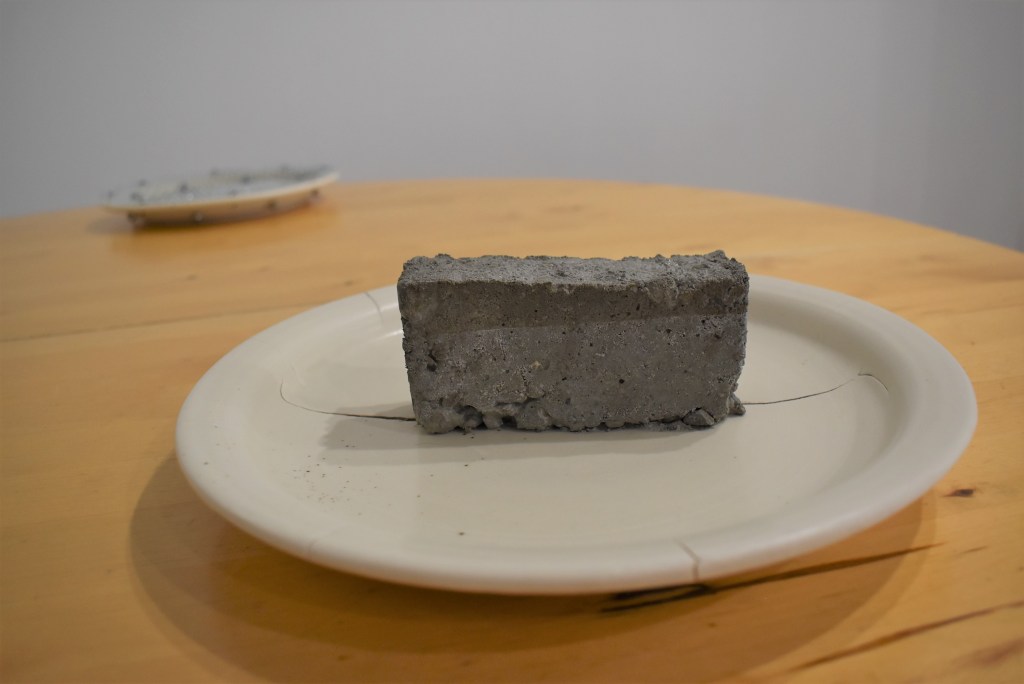
“it’s been proposed that sea-level rise could be slowed by propping up the Arctic ice shelves or by blocking the mouth of one of Greenland’s largest outlet glaciers, the Jakobshavn ice stream” with a “three-hundred-foot-tall, three-mile-long concrete-topped embankment” (199)
That 300-foot wall? I’ve got my own, equally futile one!
“Build a Wall”
This plate with the entirely cracked rim being held up by steel and copper rods? What am I holding up? You guessed it. Myself.
“Keep It Up”
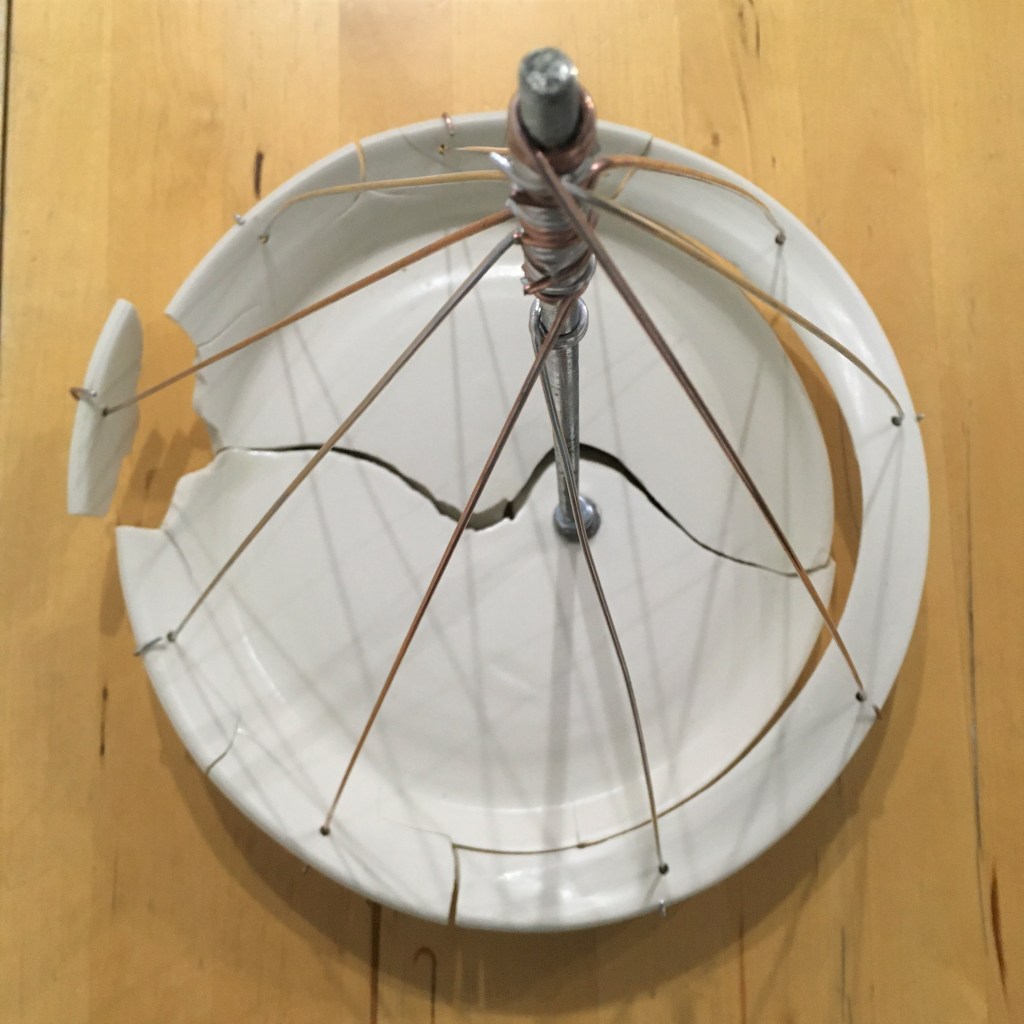
Ultimately, what am trying to do in my day to day life, going about the busyness of working, parenting, studying, making art, and being a climate activist all at the same time, while simultaneously feeling as though we’re all living on a precipice? (Note: it was at this point that I changed the title of this blog/website. I’d been wondering what to call it. Now I know.) Answer:
“Hold It Together”
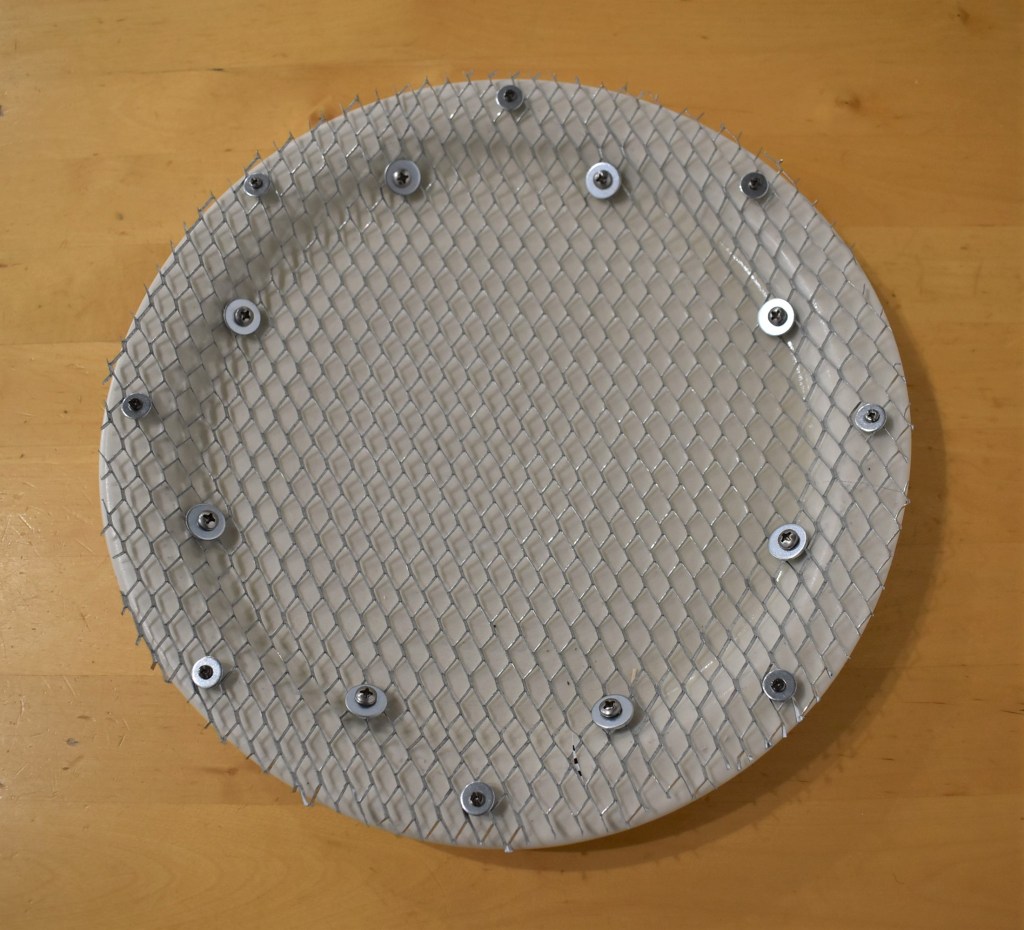
So, I installed these pieces (on my kitchen/dining room table) in Neutral Ground two days ago. There were going to be four, but one suffered just a few too many cracks when a gust of wind blew it out of my spatially-challenged husband’s hands and onto the road on the way into the gallery. Coincidentally, it was the one piece I didn’t have a title for yet. Amber told me that she thinks three plates on the table works better than four would have, and that “the wind was my curator.” Too funny!
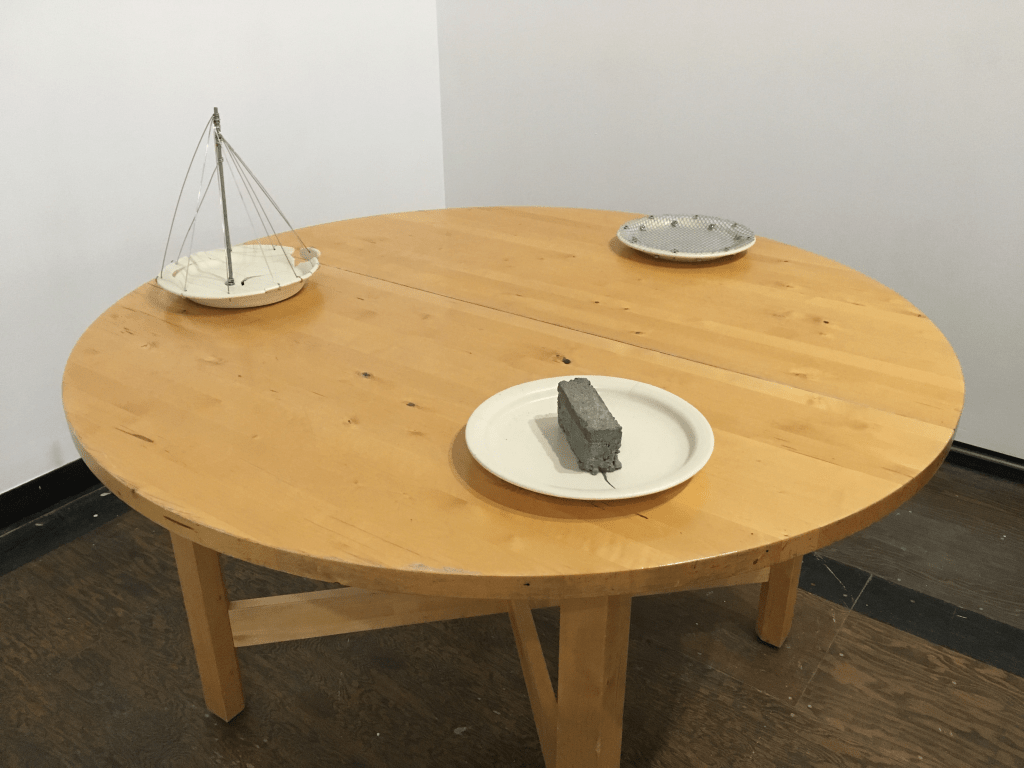
I still recognize that this isn’t great work, but I feel good enough about it now that I’ve figured out where it comes from in me, and I’m very curious to see what feedback I receive on it. If nothing else, I feel I’ve taken this idea a long way from where I started with it in January. I wonder where, if anywhere, I’ll go with it next.
This is the statement that accompanies these pieces as well as the “Dust” ones at Neutral Ground:
We are facing planetary system failure that will make it difficult for many species, including our own, to survive. As a ceramicist, I express my constant feeling of living on a precipice via a series of preposterous dinner plates. “Keep It Up,” “Hold It Together,” and “Build a Wall” (2021), convey my worry about relying on technology to repair the world. While some technology can help us reduce the damage we are causing to the planet, these solutions also require us to change how we lead our lives, and we are not, as a society, changing quickly enough. Other innovations proposed for getting us out of this crisis are too expensive, too slow, and too dangerous. The situation has me imagining a potter not learning how to make a pot properly (cracks are a potter’s bane), yet hoping to fix the problem after the fact. “Dust Plate” and “Dust Bowl” (2021) are the final pieces of ceramics, made entirely of clay dust. Their own impossibility conveys the situation we are in. Enduring drought, as seen in the Great Depression, is likely to be one of worst consequences of climate change we will face in this part of Canada. These works stem from my personal dilemma: how to face the fact that we are destroying the planet while continuing to live and create nonetheless?

I’ll post an update on “Dust” with photos of it installed in the gallery next.
 Amy Snider
Amy, I really like the moment you discovered that it is all about how you are feeling about the climate crisis. Thanks for doing the hard work and getting to that place of realization. The exhibition looks great. Wish I could be there.
LikeLiked by 1 person
Thank you for the feedback, Mary Ann! I wish you could be here, too.
It’s funny, David told me that nearly all work by MFAs turns out to be about the students/artists themselves. I suspect he’s right. Mike calls this work my “self-portrait.”
LikeLike