
It’s the start of another school year, and time for me to get busy thinking about and making art again as I embark on another semester in my MFA program. This time, I’m taking a directed studio course with Holly Fay. I’m grateful Holly is making time for me this term because her work and mine share a few common themes, as I briefly described in a post I made for her Group Studio class this past winter, and so I’m sure she’ll be able to help me progress with my own developing practice. I’m also taking another Group Studio course, where the prof, Rob Truszkowski has lined up a bunch of fun and thought-provoking assignments that will complement the art-making I’ll be doing for Holly’s class. There’s just one problem – I’ve been spiralling into a depression since early in the summer when heat waves and forest fires made it even harder than usual for me to put environmental catastrophe out of mind, and I’ve reached a point where my protective psychological barriers are failing.
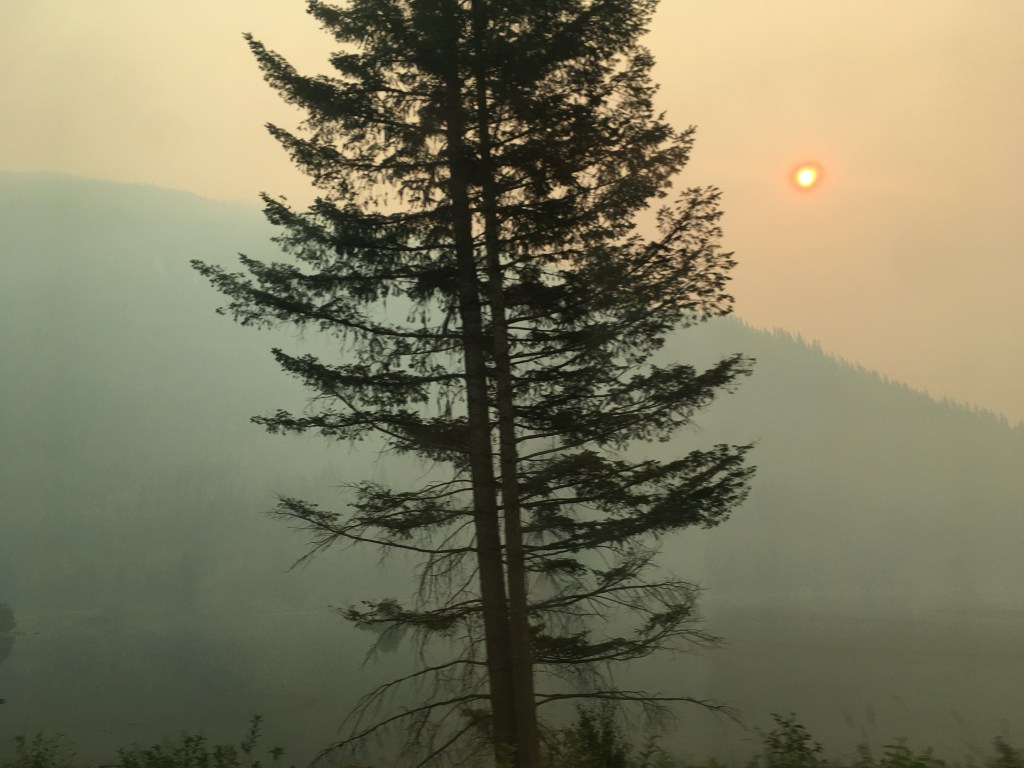
I’m no stranger to depression and anxiety issues, but with a lot of work, they’ve been pretty far in the background of my daily life for the last few years. Now, however, I feel enveloped by them both. It’s a classic case of feeling as though you’re wearing a weighted blanket you can’t shake. Every moment and every action feels off. Whereas I normally take pride in my efficiency at getting things done, I now feel like a complete failure as nothing I do feels like it’s any good. I’m indecisive about every small decision (this piece of writing is coming along very, very slowly), and I feel like I’m constantly fucking up. The depression makes it feel like everything is going wrong; the anxiety makes it feel like everything is about to. Then, when something does mess up, I immediately think, well, why should anything go well? The world is fucked. Every small failure is a reminder of how we’re failing in the bigger picture. Then come the feelings of weakness and guilt. Who am I to complain about this or that minor mishap when towns are burning to the ground and cities are sinking? Catastrophe is striking, and I must appreciate how lucky I am to be here, where I’m still safe and not at the real front-lines of this catastrophe. All I have to deal with is a bit of heat and smoke when I leave my air-conditioned home. My own minor fuck-ups are meaningless, and so is my grief.
The problem is, I can’t rationalize my way out of depression. No amount of awareness of my privilege to be living where I am living, in a place thus far relatively unaffected by climate change, can reduce the despair and anxiety I feel about what’s going on in the world.
This past summer, my family made our usual road trip to British Columbia, where I’m from. As I’ve described in past writing and presentations, this trip fuels me for the remainder of the year in Regina, living through a Saskatchewan winter and having a job that I find unfulfilling. Swimming in glacial lakes and frolicking in the silky silt of their banks has always filled me up, until this year.

This year, being in these beautiful places only made me feel worse: all of this beauty around me is about to disappear. As my partner asked when we reached the summit of The Great Glacier hike, from where the glacier is no longer visible because of how much it’s receded, what will happen to the lush forest we hiked through to get there once the ice has completely disappeared and the waterfalls and streams run dry?

There was a bit of smoke in the sky that day, but we were lucky that it wasn’t too bad. You could just smell it a bit, and the air had a slight haze. This is exactly all that was needed to compound the missing glacier and make us each, even our eleven year-old, unable to enjoy the day as if it were just another mountain hike like the many we’ve done ones in previous years.
On other days of the trip, there was literally ash falling from the sky. Our windshield wipers brushed it away for us. Towns along Highway 1 show signs of preparation. The fact that we were on the road, contributing to emissions, did not escape us.
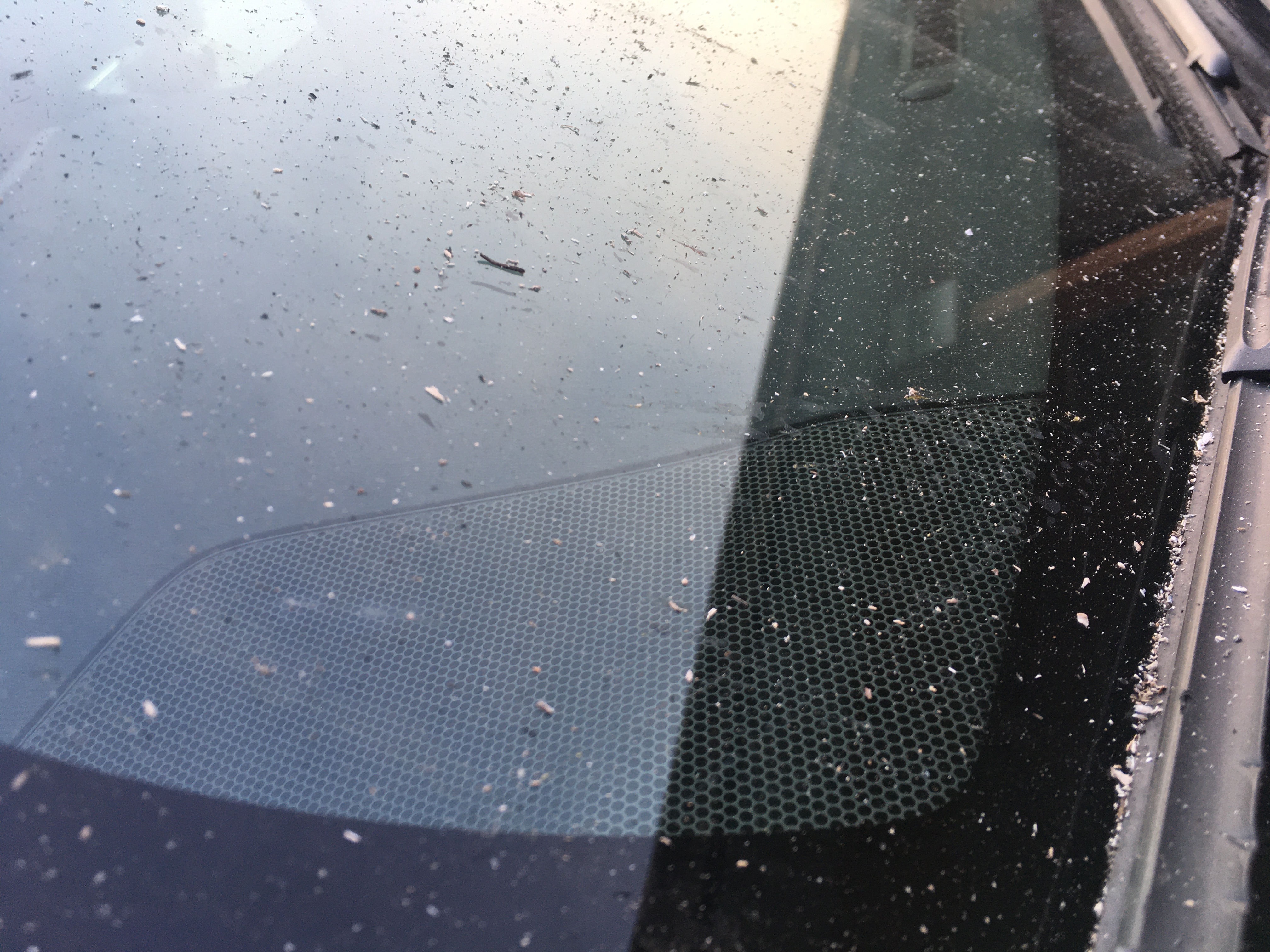
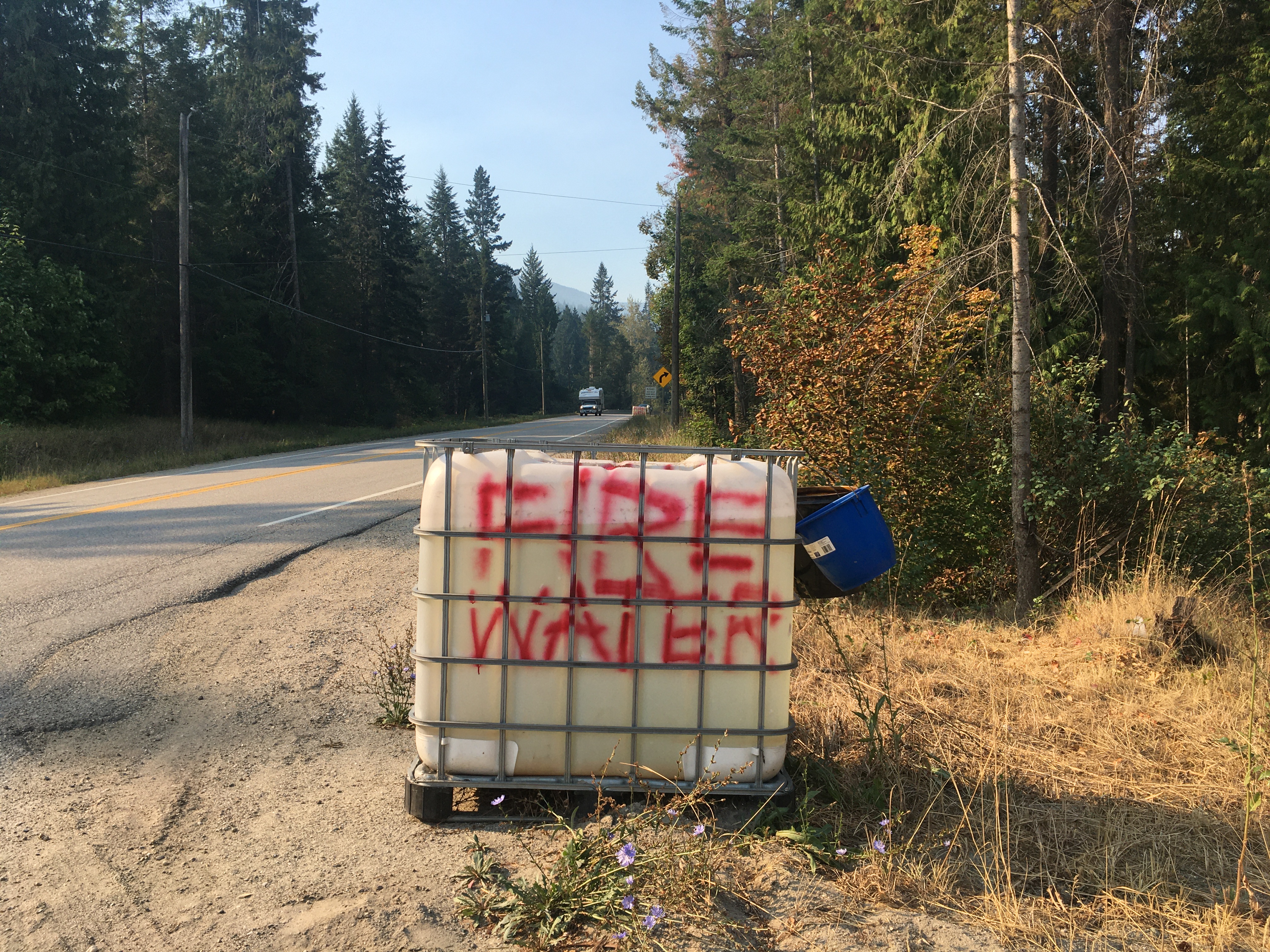
I now believe that David is right. In the winter, he told me there was hope in my work. I disagreed. He said that “any act of making is a gesture of hope.” I disagreed. I told him that “dust” was only about grief and loss. He said it still showed hope. I told him I’d have to think about it. We left it at that. Something has shifted. Whereas before it was an intellectual/scientific belief that we are screwed, I now feel hopeless. And from this place, I have no interest in making. Where do I go now? What comes after dust?
This is supposed to be a post about my objectives for my directed studio course with Holly this semester, but I guess I needed to get all of the above off my chest, and it also informs what I’ll be doing this term.
There is one project I’m grateful to already have on the go because it’s a set goal that I can work towards accomplishing. A recently graduated MFA student, Madeleine Greenway, told me in the winter term that she’d like to serve food from her garden (a central component of her art practice, as I described in a previous post) on plates I make from her garden’s clay.

We met to discuss this idea in August, and have decided to put on a picnic as a performance of our feelings about the climate crisis. Back in August, I dug up some clay from her garden, and I’m now processing and testing it.
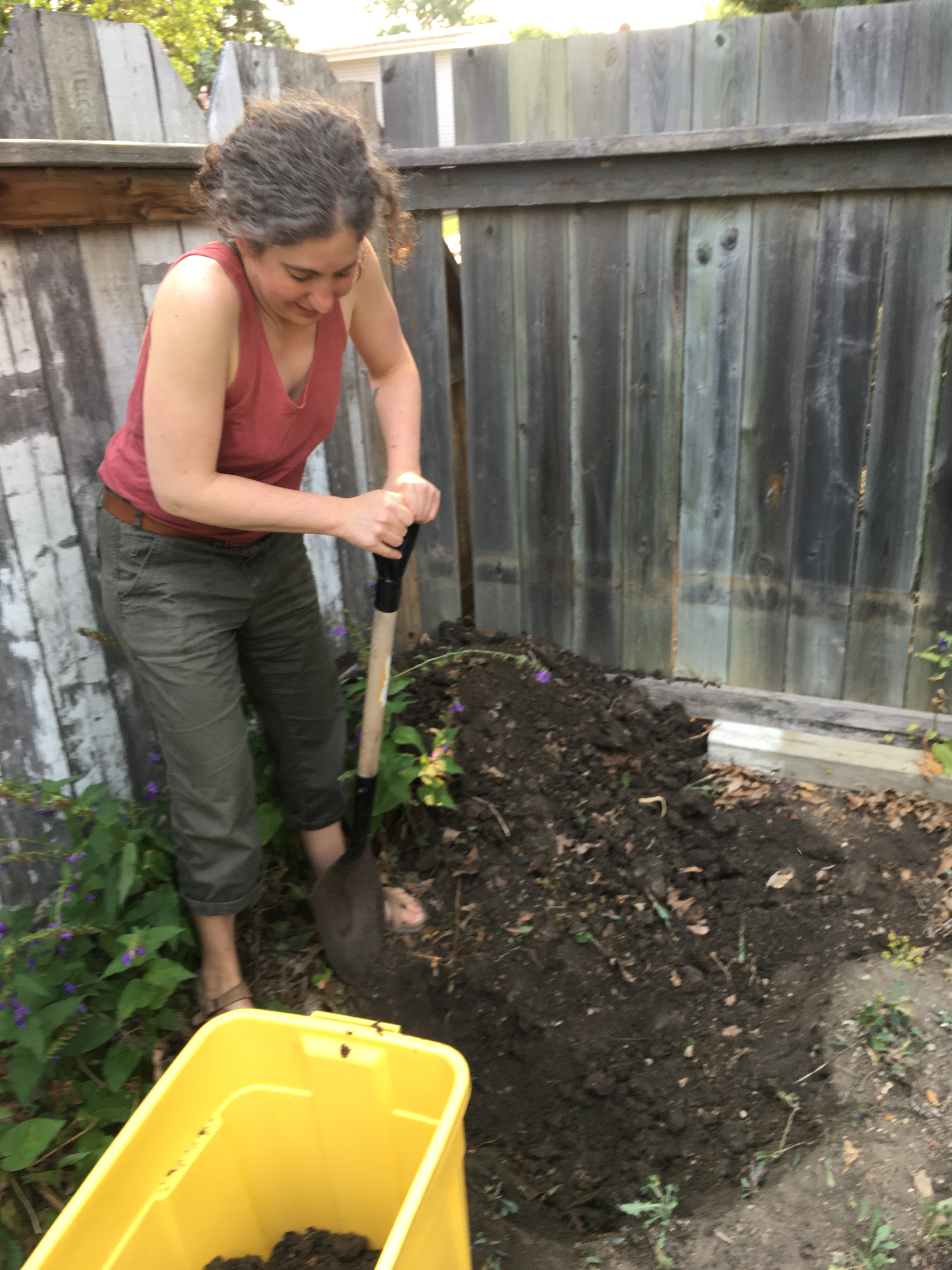
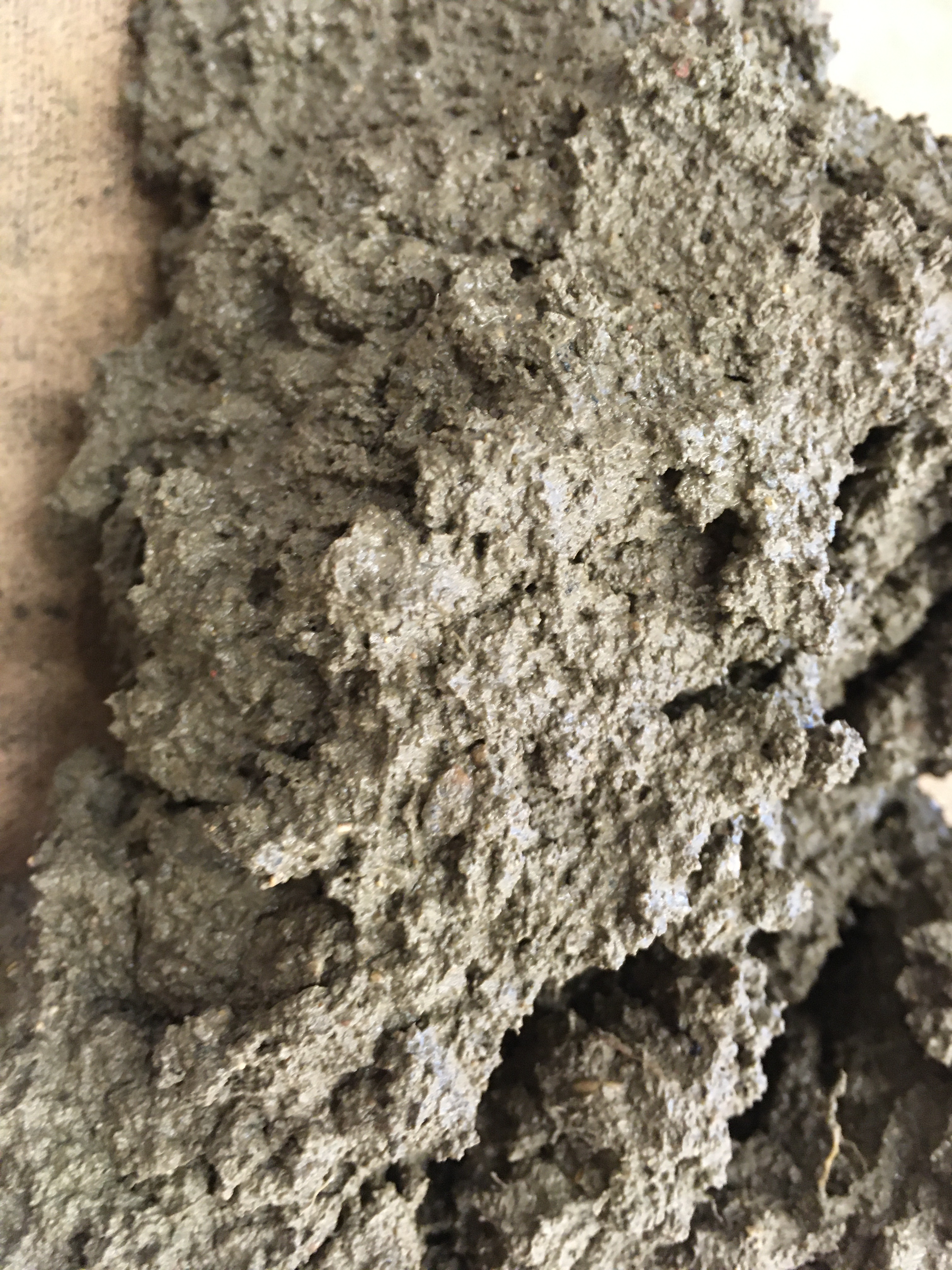


This performance would be an event for only the two of us where we sit with, literally, our feelings about the climate crisis. One of us suggested it would be a type of “last supper.” We both agreed we would not invite our kids because it’s just too dark.
That said, Madeleine has a different understanding of this piece. She and I chatted about the project this weekend. I told her about my recent depression, and how part of it at least is connected to climate change. I shared that I didn’t know how wise it was for me to pursue this performance with her as I was afraid that it would just add to my feelings of grief. Madeleine had some extremely valuable insights to share with me. For one thing, sees this project a bit differently from me – for her it isn’t only about the “doom” of the situation (and she says we’re both suffering the same injury), but it’s also a celebration of the joy of being in the garden, and the joy that comes from producing from it. While dark, our picnic would still be a sensual and joyful act for her, and she chooses to immerse herself in that part of it.
When she explained this, I considered the fact that I too may still be able take joy from working with clay (it may be close to the only thing I could take joy from at this moment), despite the fact that the pieces I’ll be creating from it are dealing with the very issue that is causing me the most pain. At least, I want to still be able to take joy from clay.
Maddie also told me that she keeps bumping into this idea (on social media and such) that being involved in activism requires some level of positive thinking, energy, and community-building, and that we need to work to foster those things. When she proposed this idea, she also imagined it as a form of care — she recognizes my own struggle, and she sees this picnic as a way for her to “serve” me, literally, with her food, but also at a deeper level, as a friend and supporter. This was huge for me to hear. I told her I can’t express what her care means to me (at least not without breaking down into tears).
Perhaps working on this project with Madeleine will give me the opportunity I need to turn things around. Perhaps the combination of her beautiful garden, her beautiful offer to show me care, and her belief that we still have cause to celebrate is the best thing that I could ask for as I try to move on from “dust” and the hopelessness I’m experiencing right now.
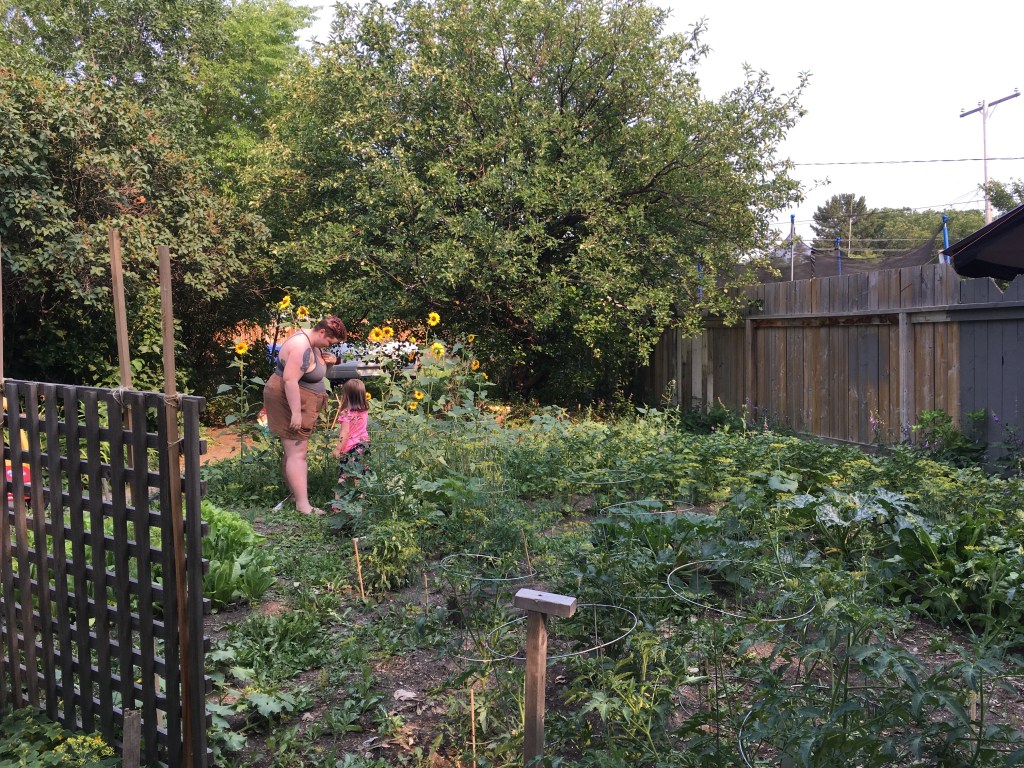
Getting to the purpose of this post, finally, my objective in my course with Holly is to explore ideas and materials and see where they take me. Madeleine and I have tentatively set September 30th for our picnic date, so by that time I’ll need to have figured out how to finish and fire plates and bowls with the clay from her garden. That will take me significant time. I’m also mulling over ways to continue work with “dust,” namely, ways to document it so I can share it with more people without placing the actual pieces in a gallery (where they do not belong). I’d like to also consider how to use some charcoal I took off of a burnt tree in British Columbia.
Mostly, through this exploration, I need to understand how to place myself in my work: how does where I am on the grief-hope scale affect what I produce; how does what I produce affect where I am on the grief-hope scale? Who am I making art for? What do I want it to do for me?
I hope that through this semester of exploring materials and methods (including the return to performance via the picnic) I’ll regain the energy and hope required to make anything. That’s my number one objective right now.
 Amy Snider
Thank you for keeping me in the loop, Amy. Even though we’re not in a course this term you are very welcome to meet as you need to. Hoping you’re emerging from the dust, David
David Garneau Professor Visual Arts University of Regina 3737 Wascana Parkway Regina, SK, S4S-0A2 306-585-5615
WordPress.com >>>
LikeLike