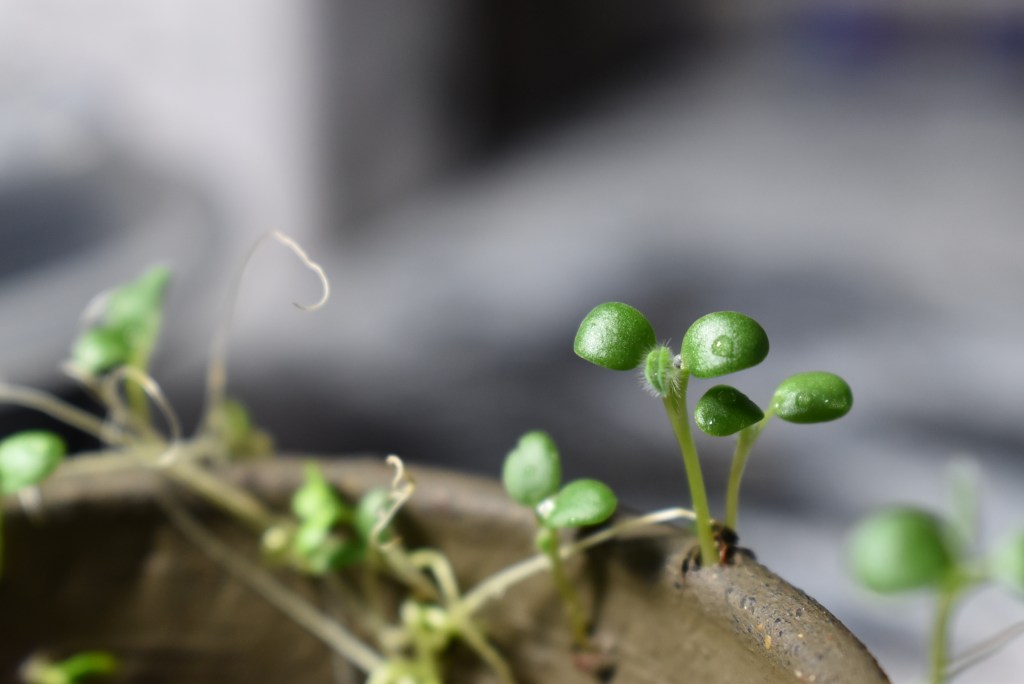
In the fall of 2021, I was experiencing very severe depression and anxiety, with one major contributing factor being the difficult summer we’d just had in Canada with nearly constant forest-fire smoke filling the sky, deadly heat domes, and other severe weather events. I pushed myself to go to the studio and try to make art, but I was so depressed, and so hopeless, that I struggled enormously to do anything other than pace around the room, feeling lost and certain I’d never make art again.
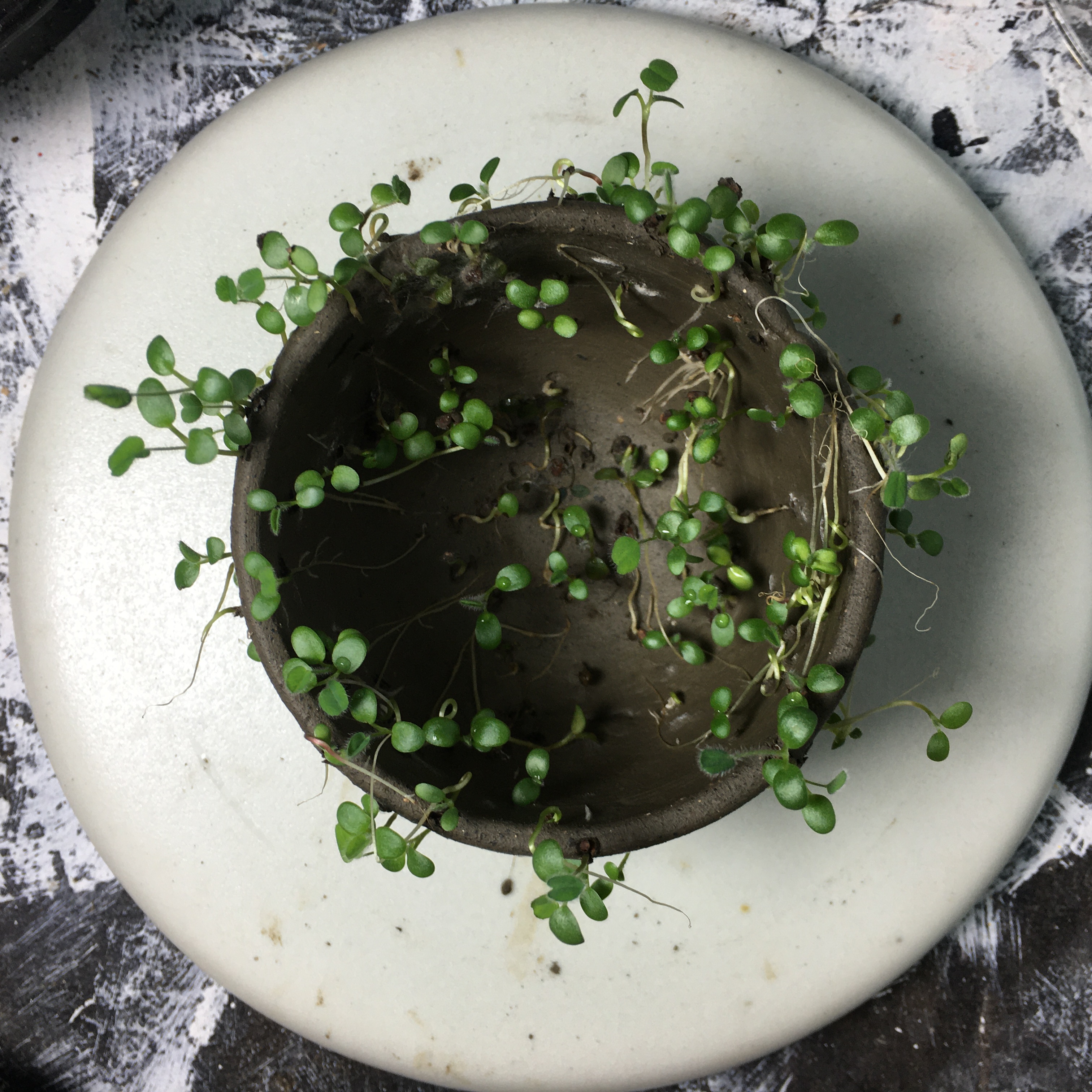
Sure it was pointless, I forced myself to test out whether art-making could help me overcome this grief. I intentionally experimented with creating work about life and hope. Accustomed to the forms of functional pottery—cups, bowls, and plates—I mixed red clover seeds into local clay I’d dug up in the summer, and threw it into pots.
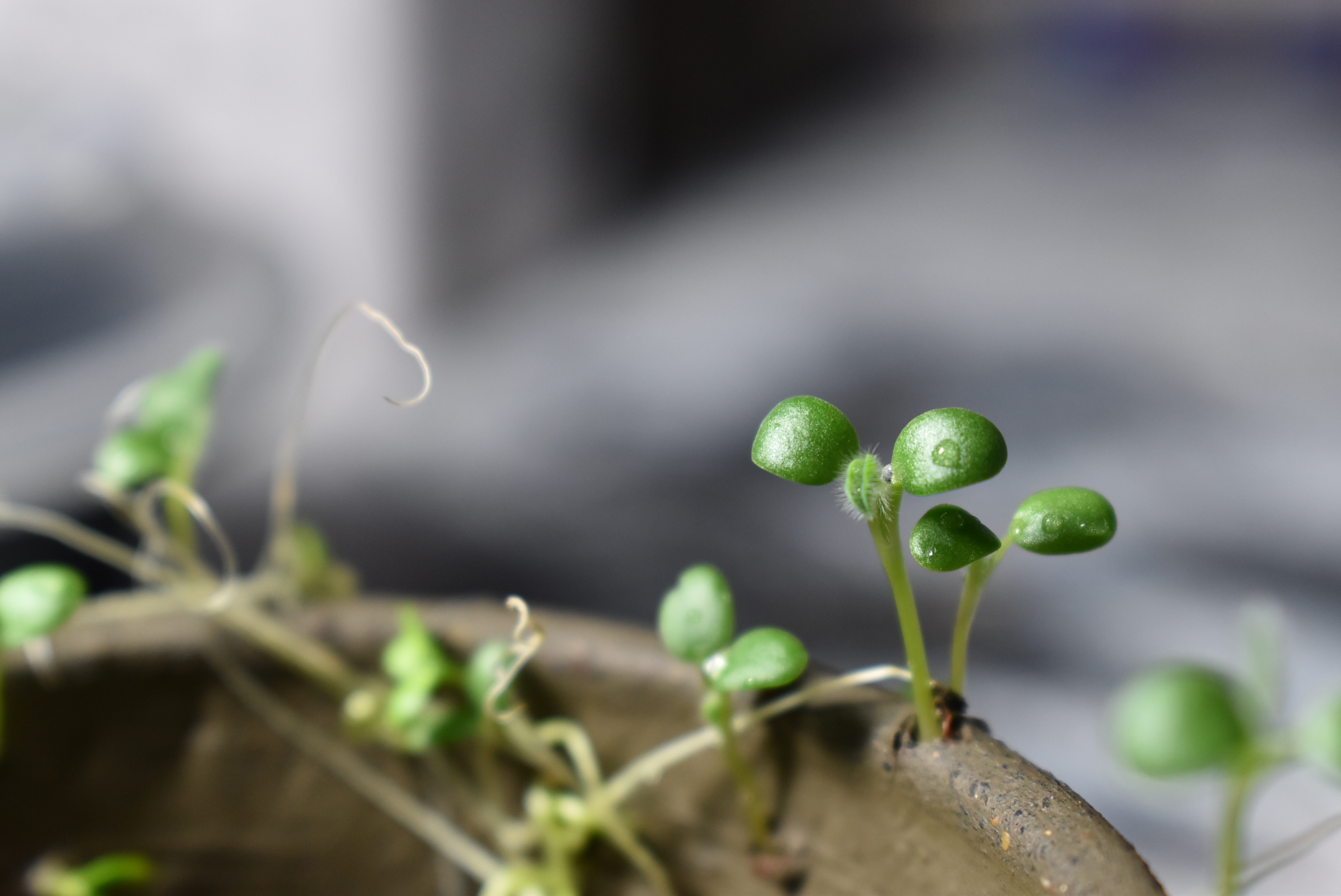
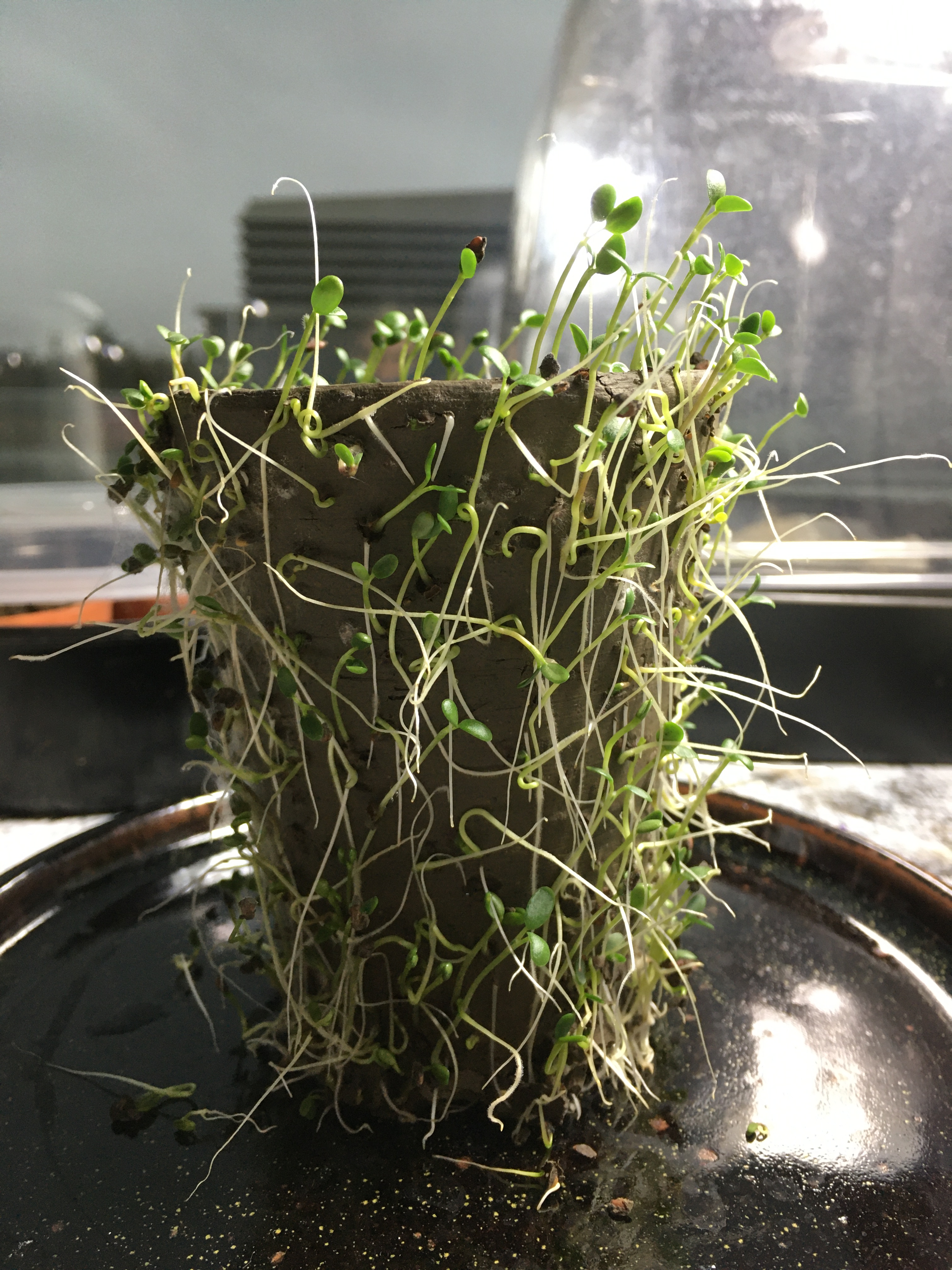
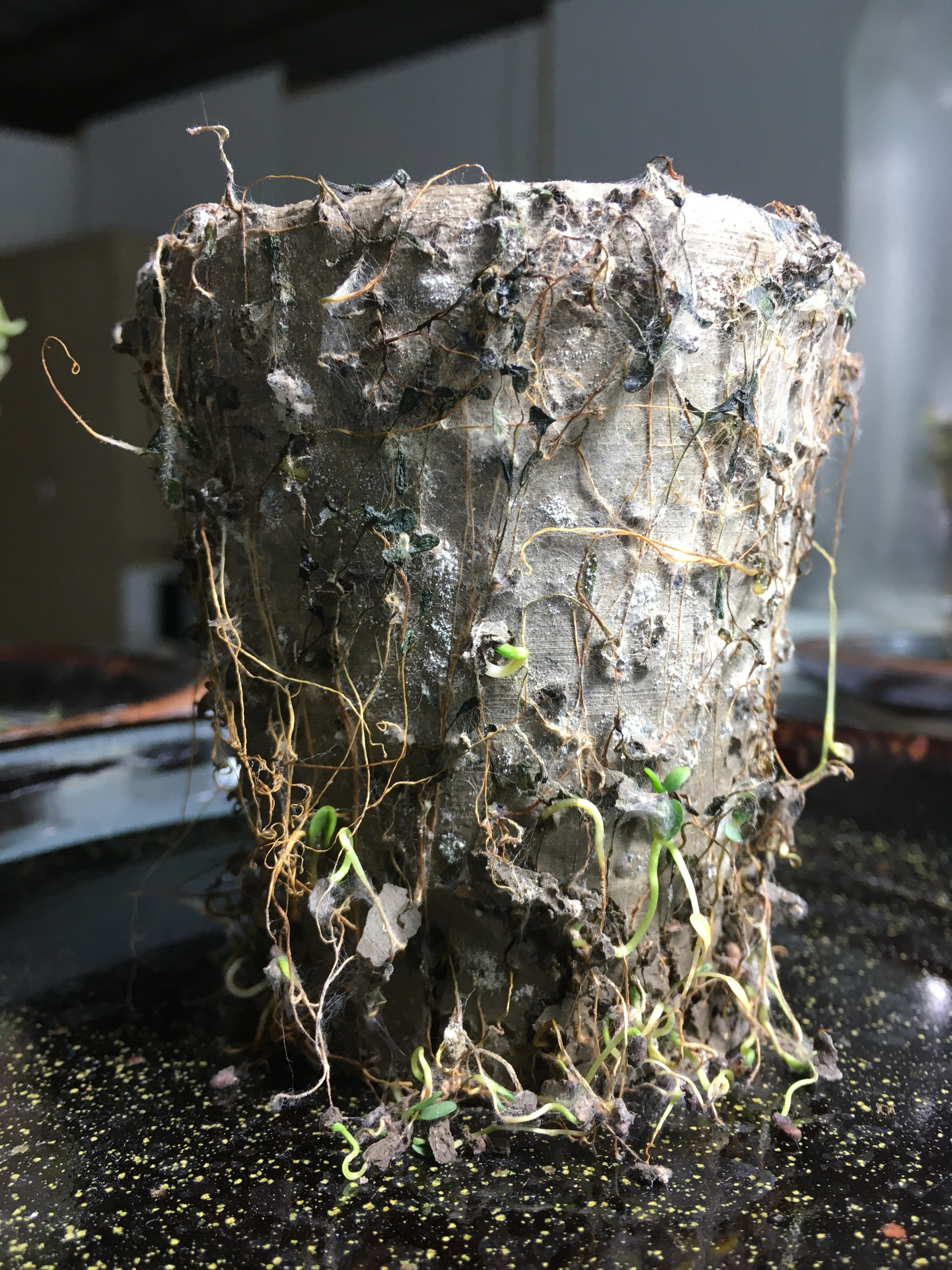
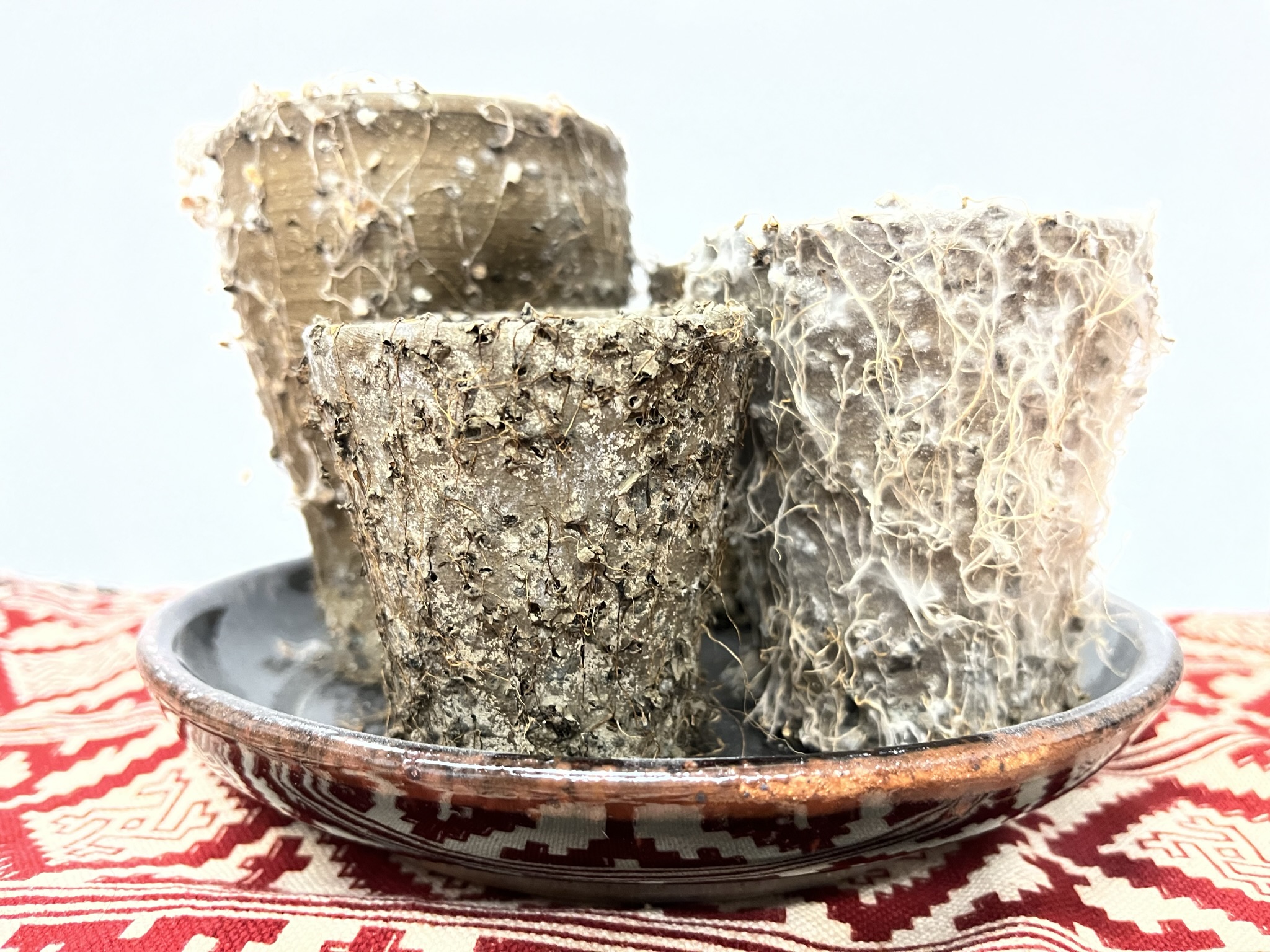
On the day I discovered spindly roots of red clover plants breaking through the walls of a bowl, I felt the first jolt of excitement—or any feeling—I’d experienced in months. The common yet profound event of germination taking place within the same forms I’d previously used to embody catastrophe, such as my cups that symbolically represent melting glaciers, gave me a moment of joy.
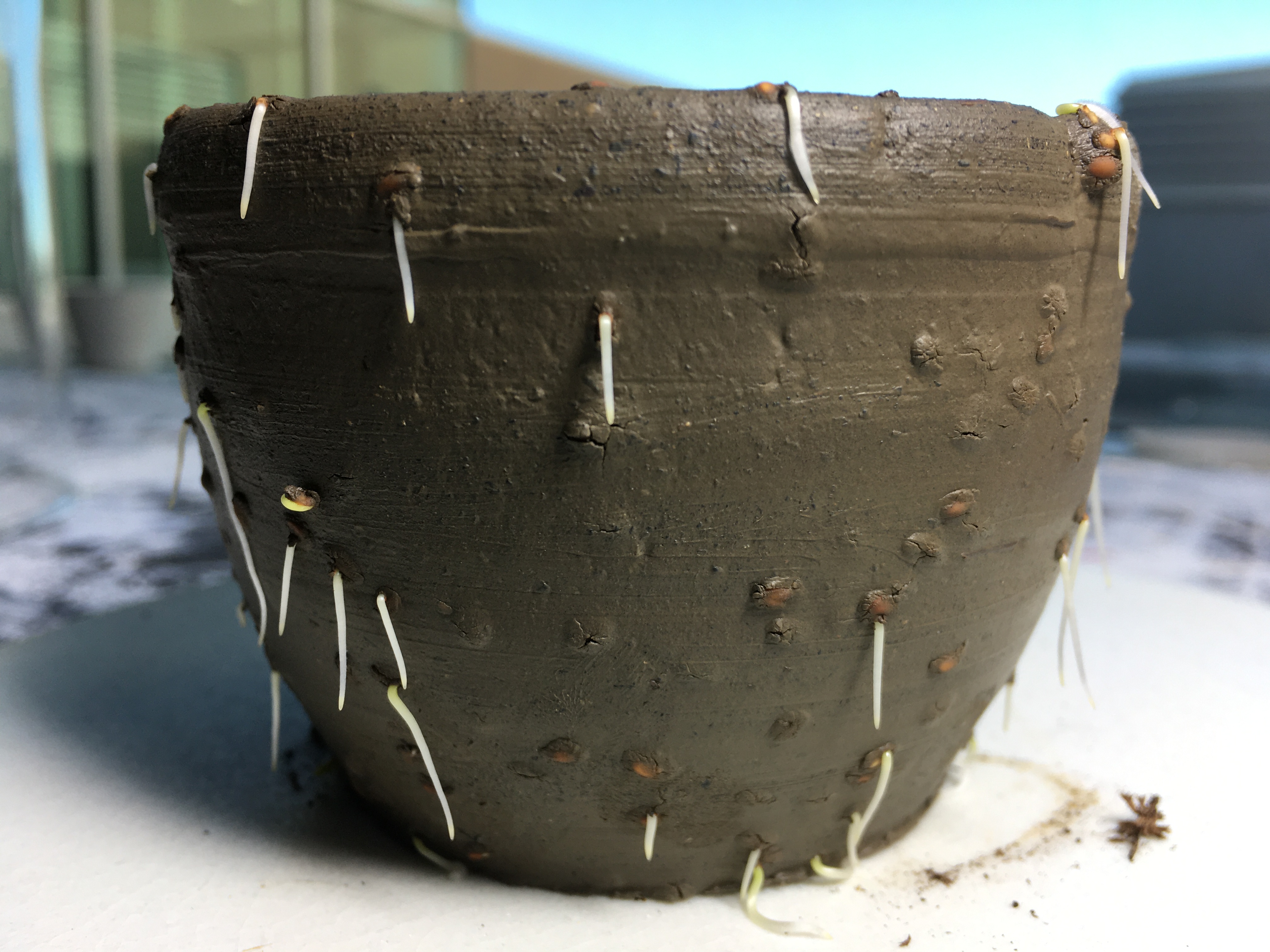
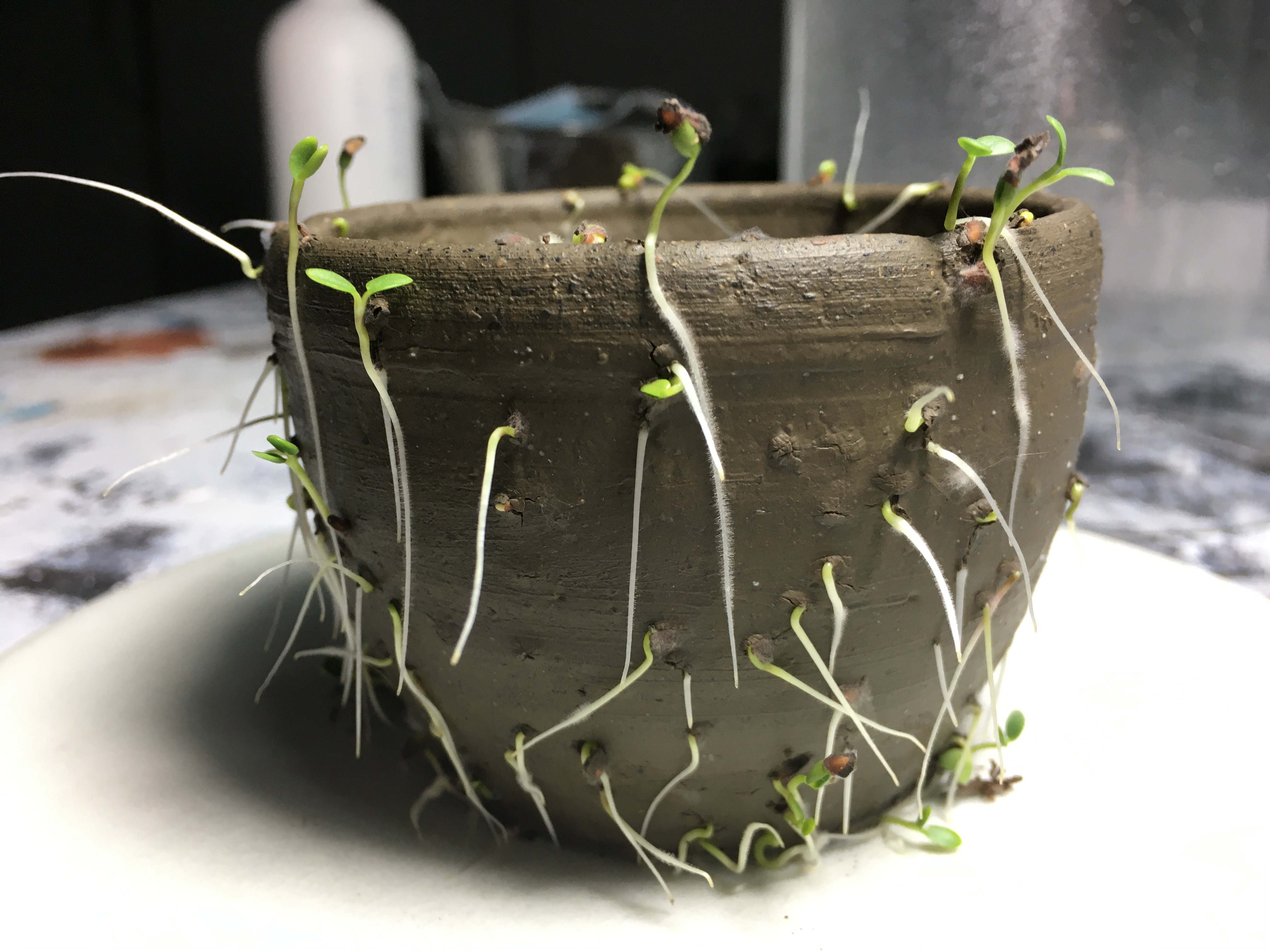
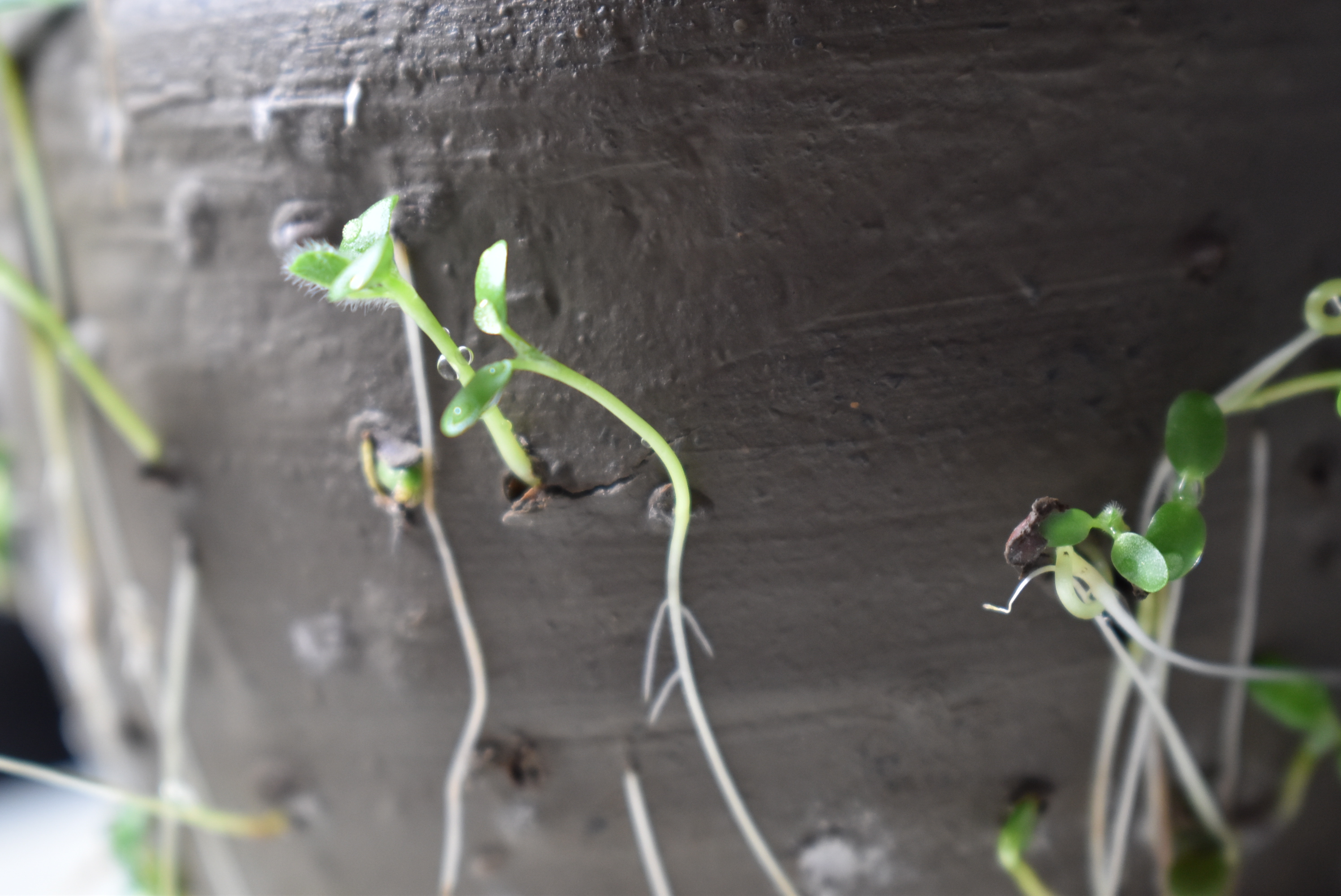
Reading I’d recently done came to mind: Deborah Bird Rose uses the Australian Aboriginal aesthetic term bir’yuni to describe the brilliance of life as well as art. She writes of “the shimmer of life’s pulses and the great patterns within which the power of life expresses itself” (G61). She talks about how after drought, “the rains start to bring forth shiny green shoots. […] Shimmer comes with the new growth, the everything-coming-new process of shininess and health, and the new generation” (G54). For a while, every time I entered my studio and saw the shimmer of new life bursting out from these vessels of clay, I was reminded of things greater than my own fear, anger, and hopelessness.
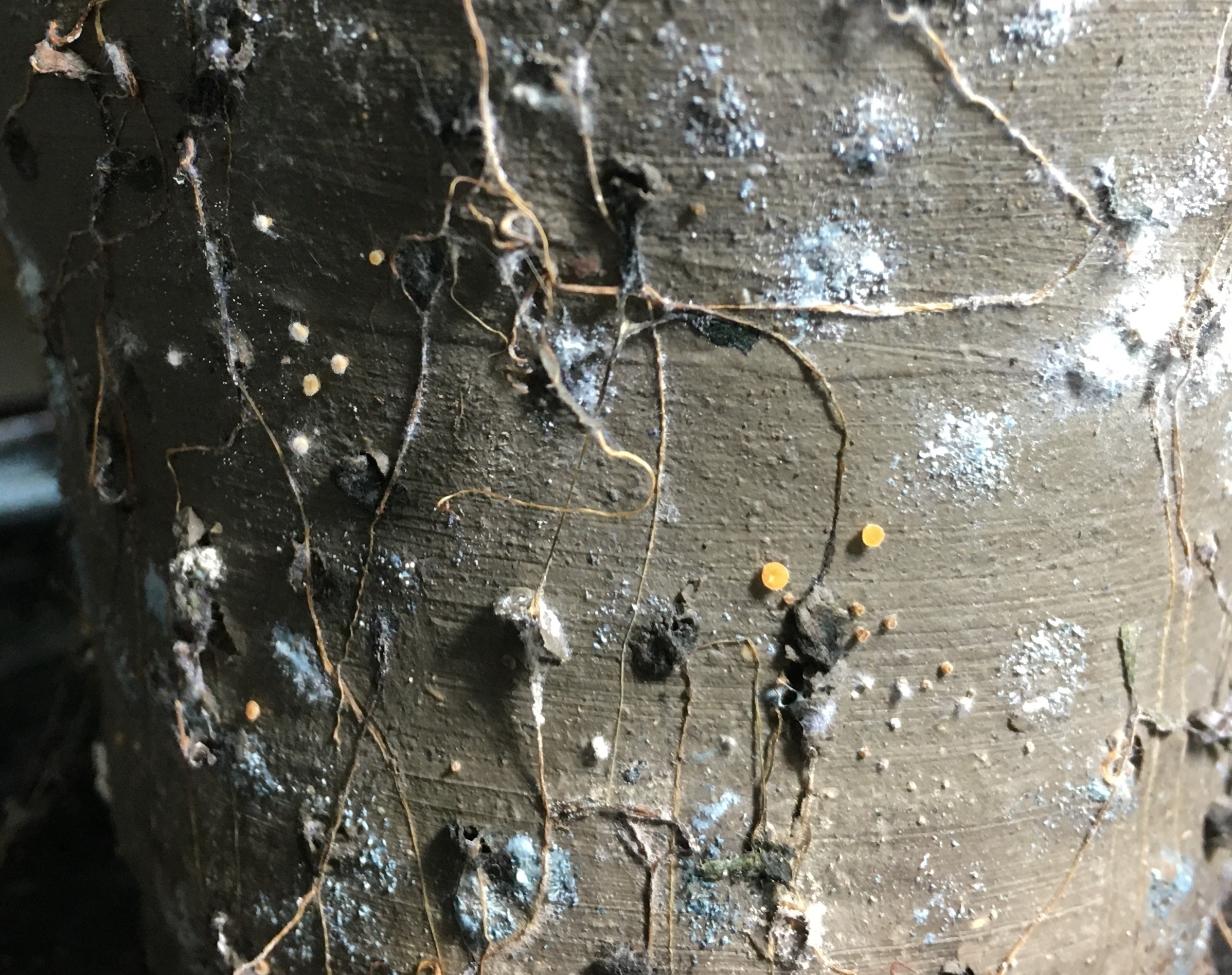
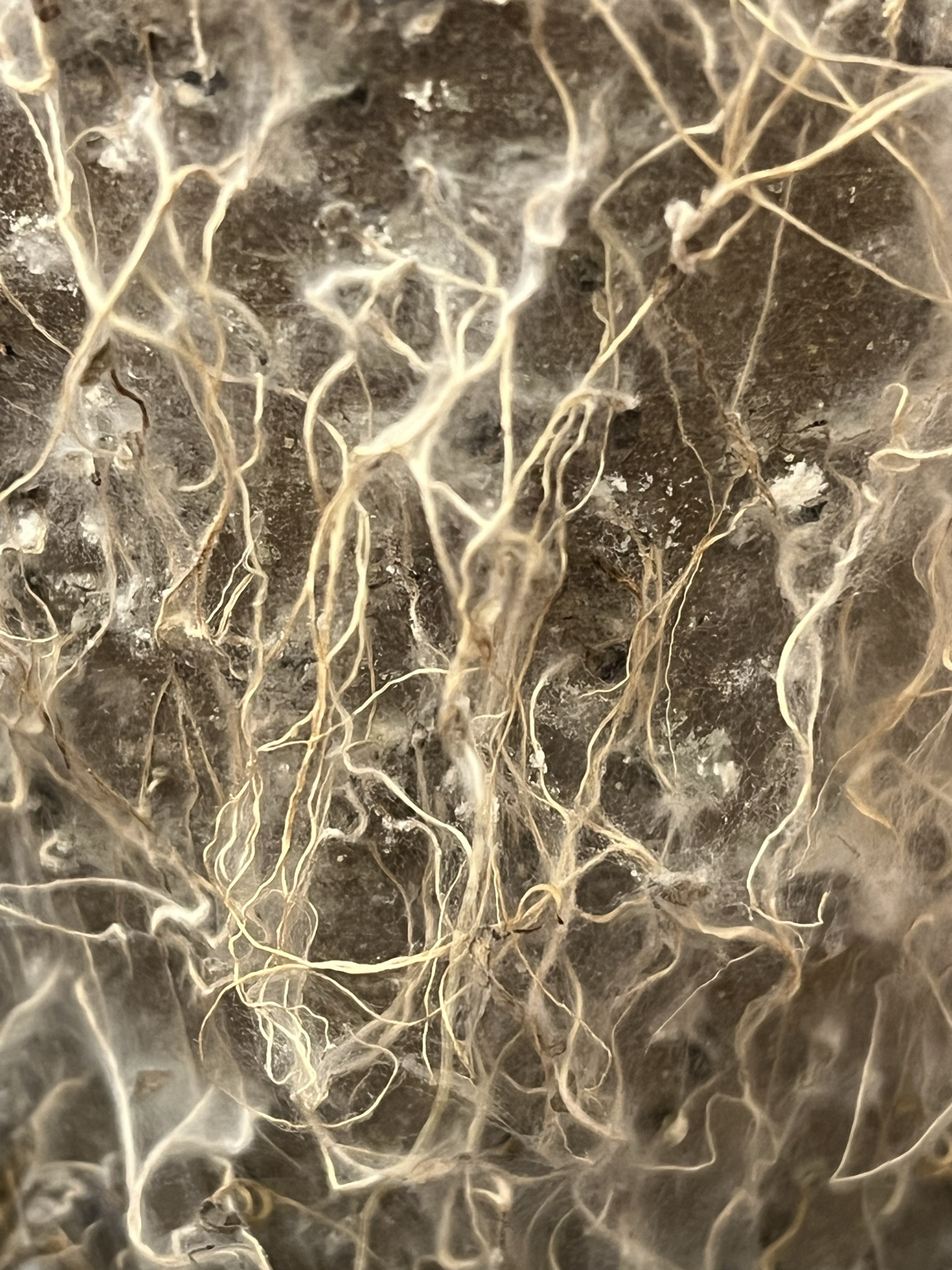
Unfortunately, perhaps from knowing they were fabricated and ephemeral, the moments of shimmer these pieces provided me weren’t enough to shake me out of my despair. For one thing, the seedlings living in them did not thrive. In this artificial environment I’d created, they ran out of nutrients and died. I did, however, get to witness new life forms emerging: molds, fungi, I’m not exactly sure what. This in itself was still a good reminder: death is not the end.
Perhaps this experiment contributed in a small way to my eventual recovery. I may return to this project one day.
Work Cited: Bird Rose, Deborah. 2017. “Shimmer When All You Love Is Being Trashed.” Arts of Living on a Damaged Planet, edited by Anna Tsing et al, 51-63. Minneapolis: University of Minnesota Press.

 Amy Snider