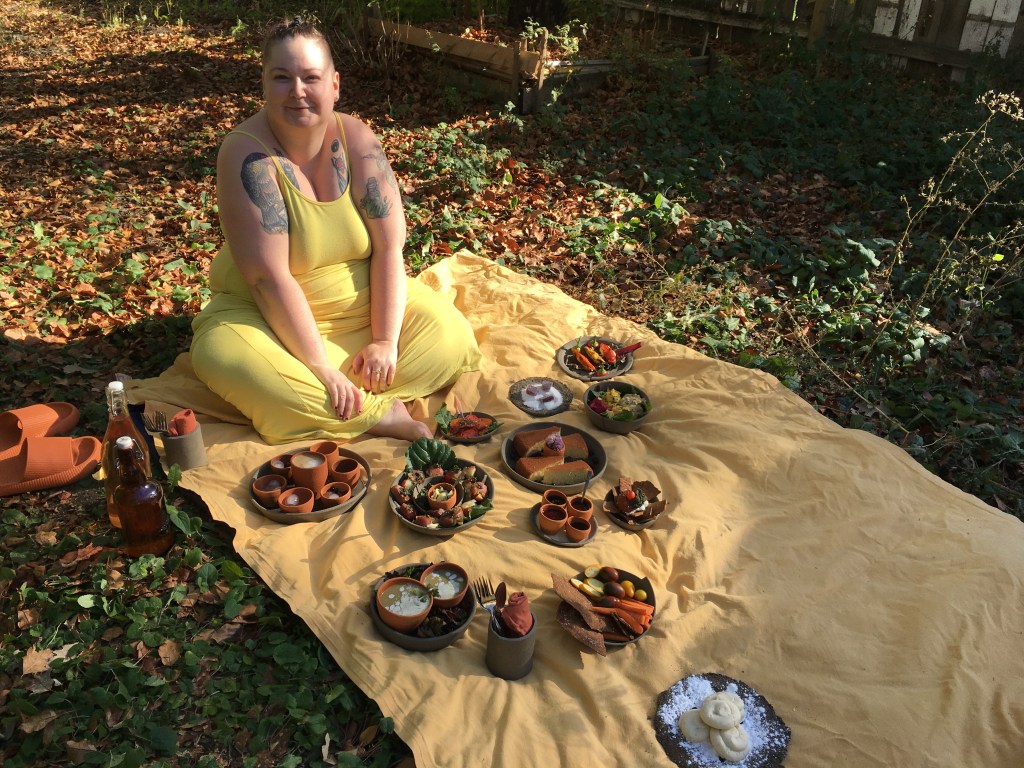
Madeleine and I carried out our picnic this past Saturday, October 15th. After much processing and producing with clay and food over the last several weeks, it was wonderful to see our efforts materialize for this event. We lucked out weather-wise, with sunny skies and a high of around 17. Two days earlier, it had snowed.
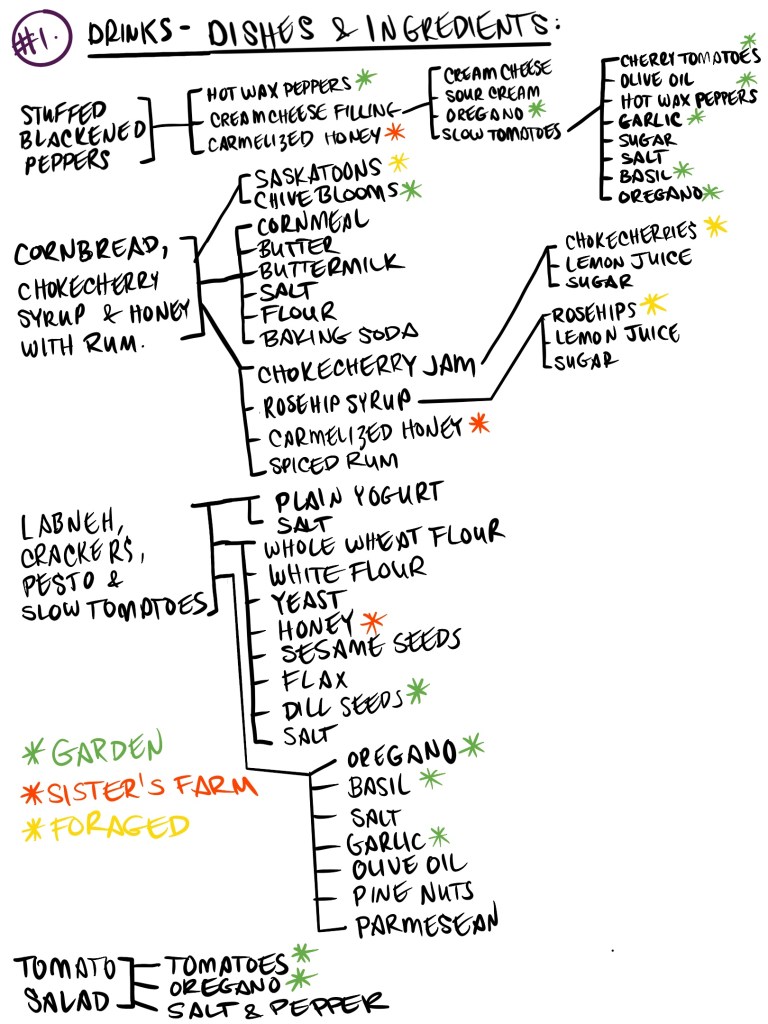
Madeleine prepared a feast for us full of incredibly rich colours, textures and tastes. Each dish was composed at least in part of food from her garden, her sister’s farm, or items foraged.
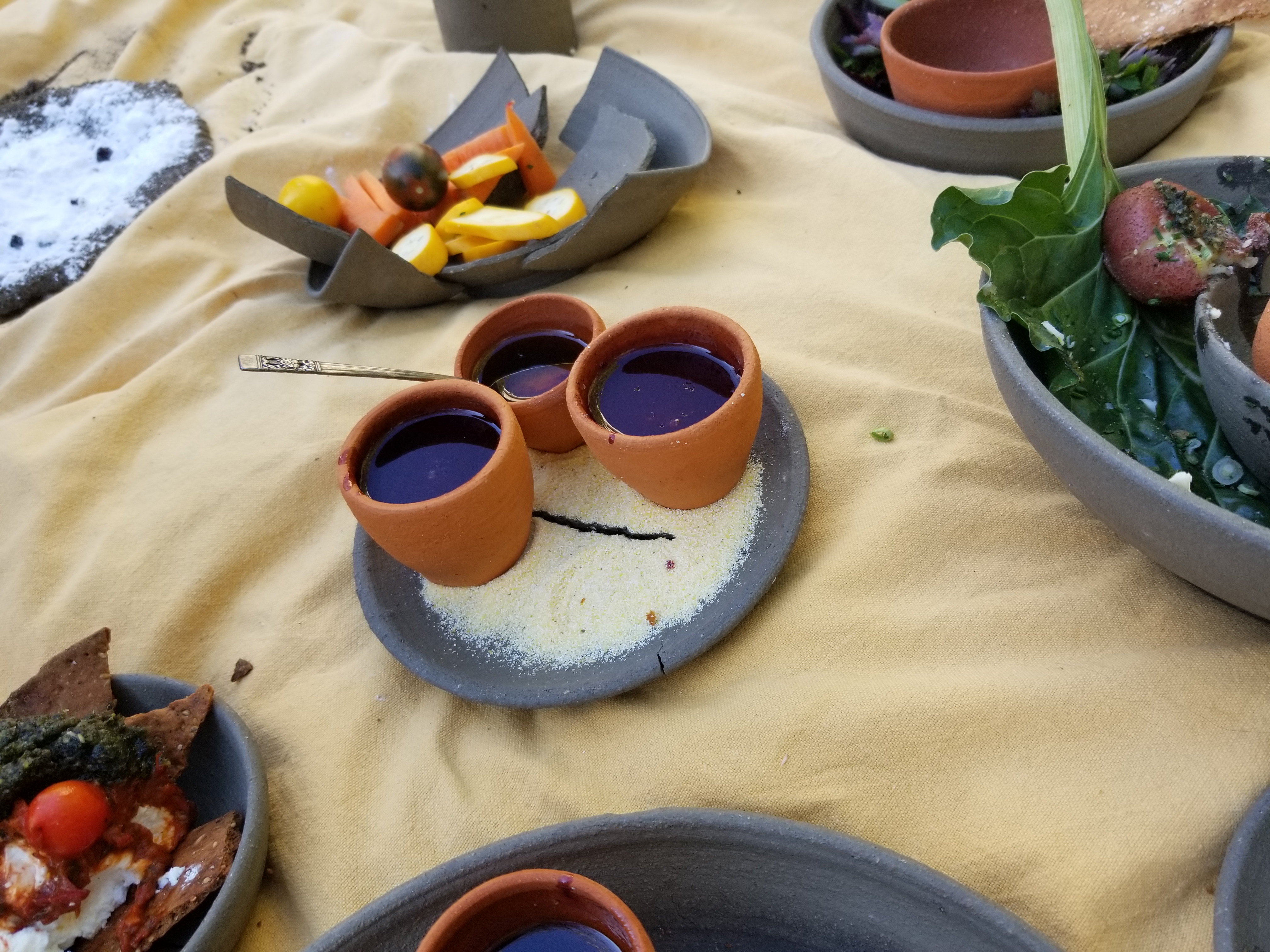
The warm oranges, reds, and purples complemented the cool dark olive colour of the unfired clay beautifully. The bulk of the plates we used were unfired, and most had cracks. The cracks turned out to be entirely suitable though. The decadence of the dishes Madeleine served contrasted them very well, embodying the fact that we are feasting while fully aware that everything around us is falling apart. Can we still enjoy this meal while experiencing the deep grief and anxiety we have for the fact that feasts like this one may soon be impossible? Madeline shared that she sometimes wonders what food she’ll miss the most in the future. I’ve wondered the same thing.

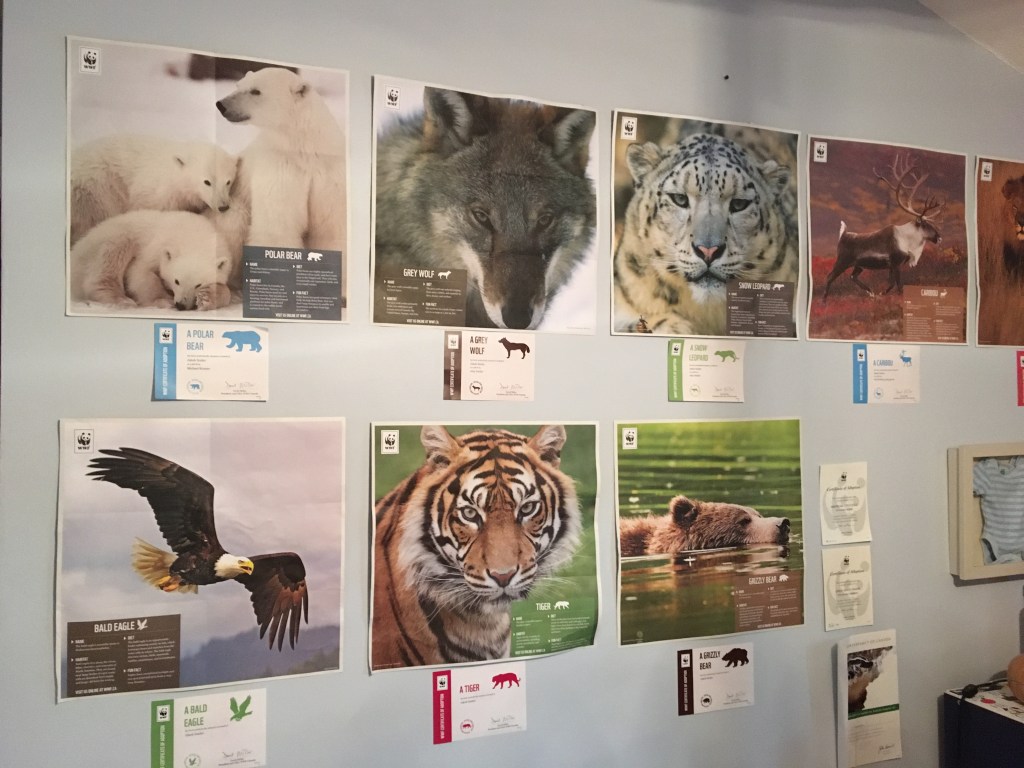
I think that many of us are trying to figure out how to carry on enjoying our lives while aware of what we’re losing. My 11 year-old son is even facing this struggle. One evening last week, I asked him if he wanted to redecorate his room. He’s had a dozen or so posters from the World Wildlife Fund up on his walls for the last several years. We received them from the WWF as a thank you for donations we’d made to symbolically adopt an animal. Wildlife featured heavily in his earlier years as he’d spent endless time watching BBC’s Planet Earth, Blue Planet, and other nature documentaries as a toddler and young child. When he was five, in response to my question about how he could recognize an opossum from a photo of one in his animal encyclopedia, he said “because of the opposable thumbs and the prehensile tail, of course!” In response to my question about redecorating his room and removing these posters, he said that no, he wanted to keep the animals up on the walls as a reminder of what we’re losing. “The tiger,” he said sadly looking around at the posters. “Oh, the arctic hair!” This is literally what he said, and it felt like a punch to my gut. On top of my own sense of loss, I’m sad for my son’s.
This extreme sense of grief has really had a hold over me over the last few months. It’s critical that I find a way to be able to once again take pleasure in what I’m so fortunate to have in my life. I need to do this for myself, but I also need to model this attitude for my son.
The picnic was a clear manifestation of this situation and what I need to do: I need to shift focus from my cracked plates to the delicacies that were placed on them, or better yet, I need to recognize that the food was in fact even more beautiful because of how it was offset by the cracked plates. Furthermore, on top of the absolute beauty of the picnic items, there is the care and sense of community that Madeleine has offered me by serving me this food. During the picnic, I asked her a question that is often on my mind: is collective loss any greater than loss at the individual level? Her answer was that she’s found that on the contrary, being able to share an experience of loss with others is helpful.
So many are sharing the experience of environmental grief that there is a relatively new word coined to describe it: solastalgia. Glenn Albrecht formed this portmanteau of the words solace and nostalgia to describe “a form of homesickness one experiences when one is still at home” (“Solastalgia” 35). Unlike eco-anxiety, which is anxiety about what the future will look like as a result of environmental crisis, solastalgia is the feeling of depression caused by current and predicted environmental loss. While nostalgia is the experience of longing for a home that is far away, solastalgia is the longing for a home one can never return to because environmental change has destroyed it. The destruction of one’s home (which could be an local environment or the planet at large) involves a sense of powerlessness and hopelessness. It’s not good. Albrecht offers two suggestions to help those experiencing solastalgia. First, he says, “clear acknowledgement of that which needs to be confronted can be an empowering experience” (36). Secondly, “a commitment to engage in action to support distressed people and heal distressed environments is itself a profoundly healing” (36). Madeleine and I are both confronting that which we need to confront, and through our own contributions to this picnic, we have offered each other support.
Now that we’ve had our picnic, we are both processing what it really meant to each of us, and what we can take away from it. The documentation of this event will help me wrap my head around it. I’m looking forward to seeing the photographs and videos that Alex Tacik took for us. We’re grateful to him for his collaboration on this project, as the documentation will play such an important part, being the only lasting evidence of this event.
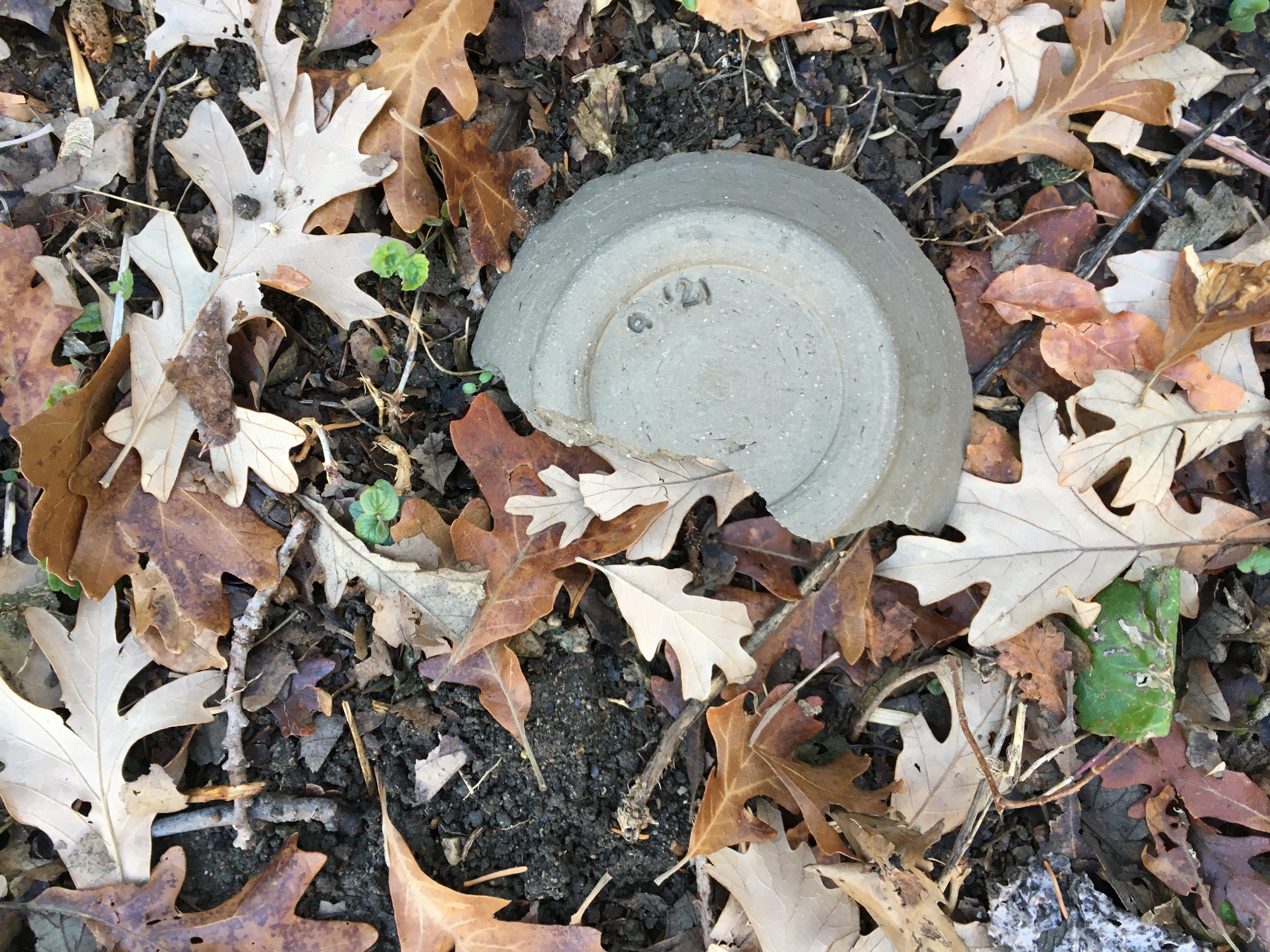
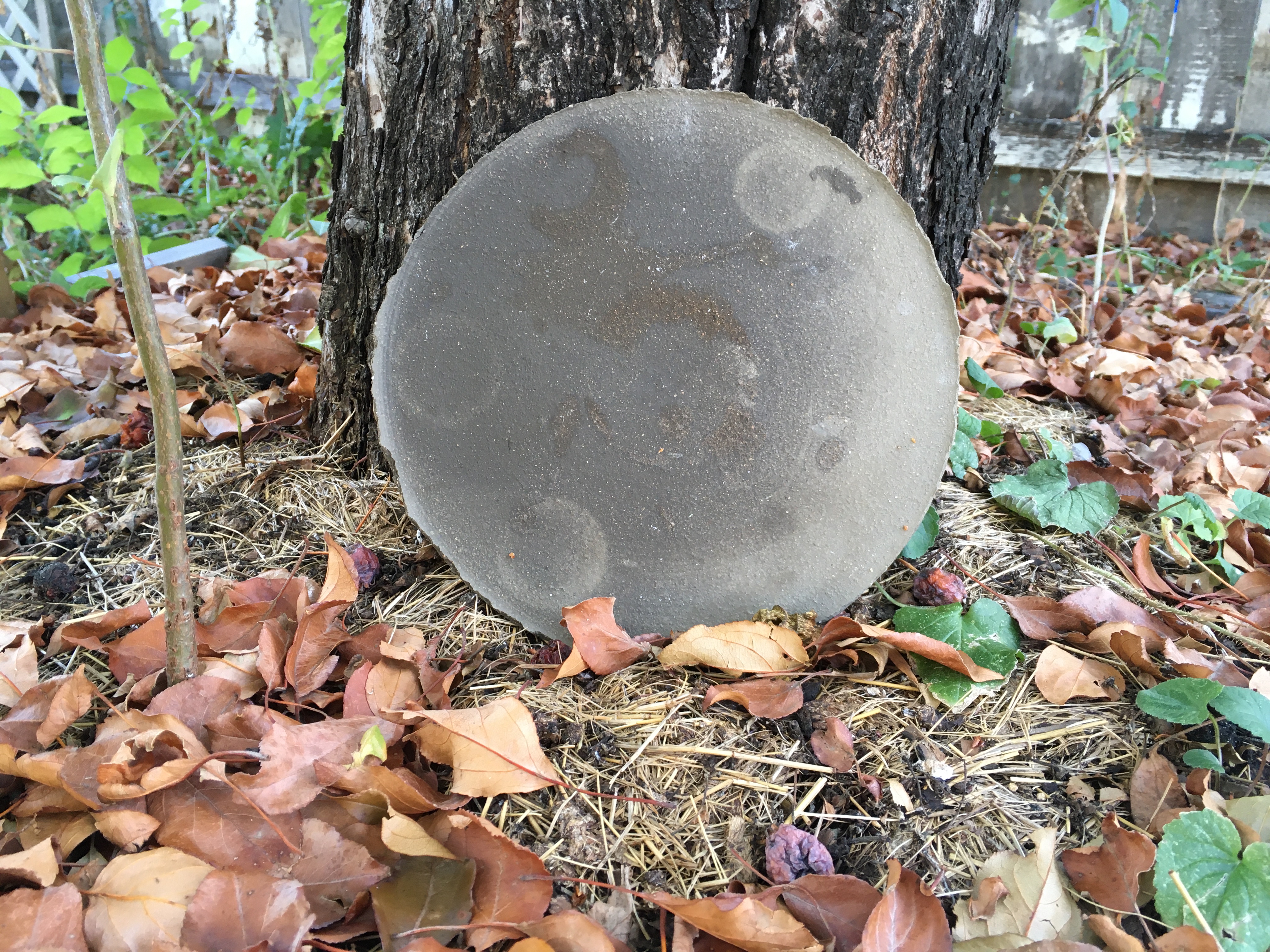
The only photos I have are ones I took after the feast, and even these communicate a lot to me.

Albrecht, Glenn. “Solastalgia.” Alternatives Journal, vol. 36 (4/5), 2006, pp. 34-36.
 Amy Snider
One thought on “Picnicing with Madeleine and solastalgia”