I’m tentatively calling this project “cracked” — this is to be the set of plate-like pieces that resemble river mud that’s dried to the point of cracking:
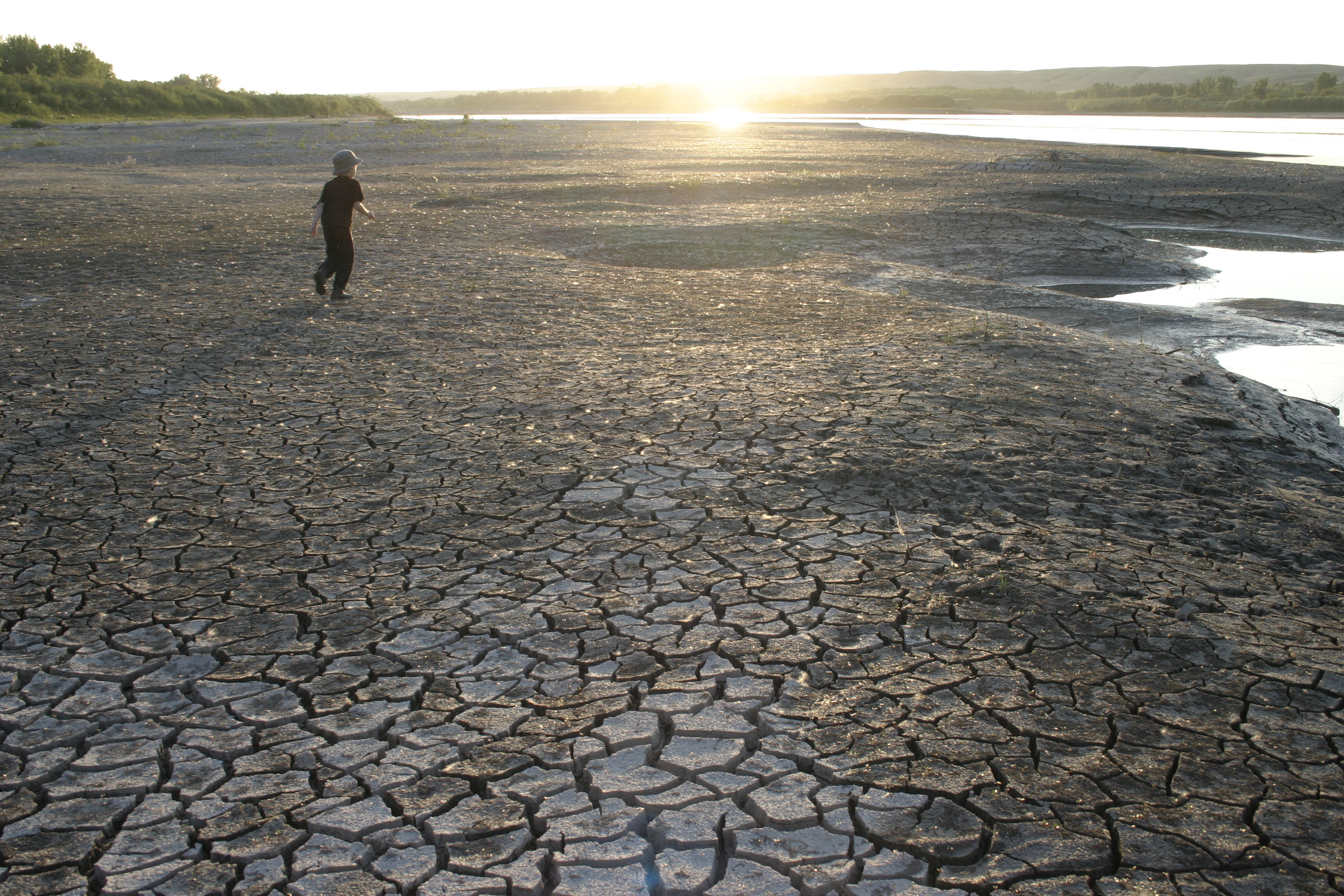
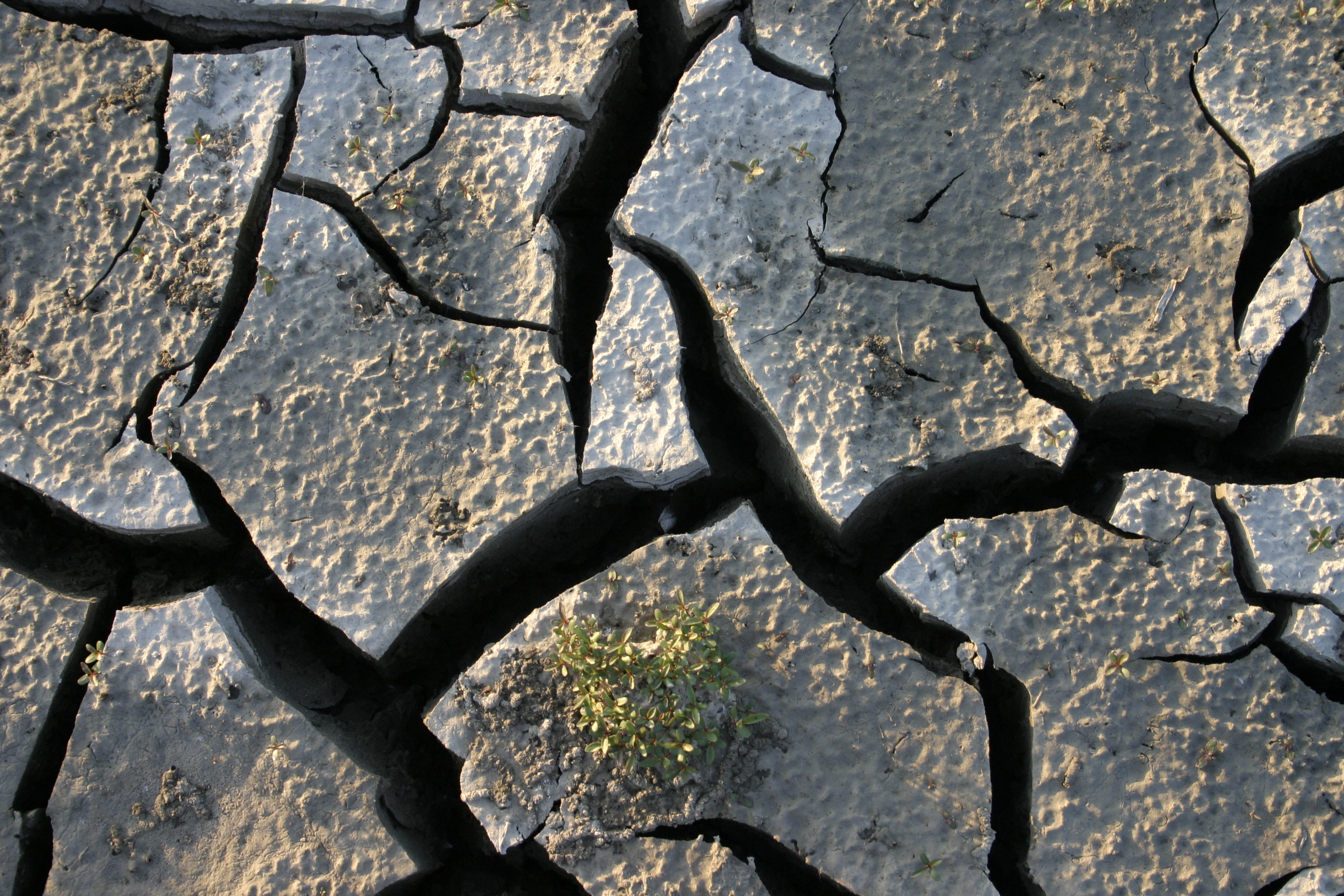

My plan is to create pieces of terracotta (unfired) that have formed into irregular shapes similar to what we see in these photos above. With each piece, I’d put them upside-down on the wheel and trip a foot, making it so that from that vantage point, they’d read as plates. I can imagine setting a table with several of these “plates,” arranging them as a puzzle, or stacking them.
I was happy to get 20 pounds of terracotta clay that had been left behind by previous students. This is clay that would likely have been reclaimed for use by future students, so I don’t consider it entirely “salvaged” or “recycled,” but I feel just slightly better than if I’d gone out and purchased some myself. If this becomes a project worth further development, I could see using actual riverbed mud… how wonderful would it be to return to the North Saskatchewan River, “borrow” a few of these naturally-made shapes of dried mud, and then throw (or attach) a foot to each of them? I could even return them to the riverbed once I was done with them. Hmmmm… For now, I’m testing out this idea with terracotta.
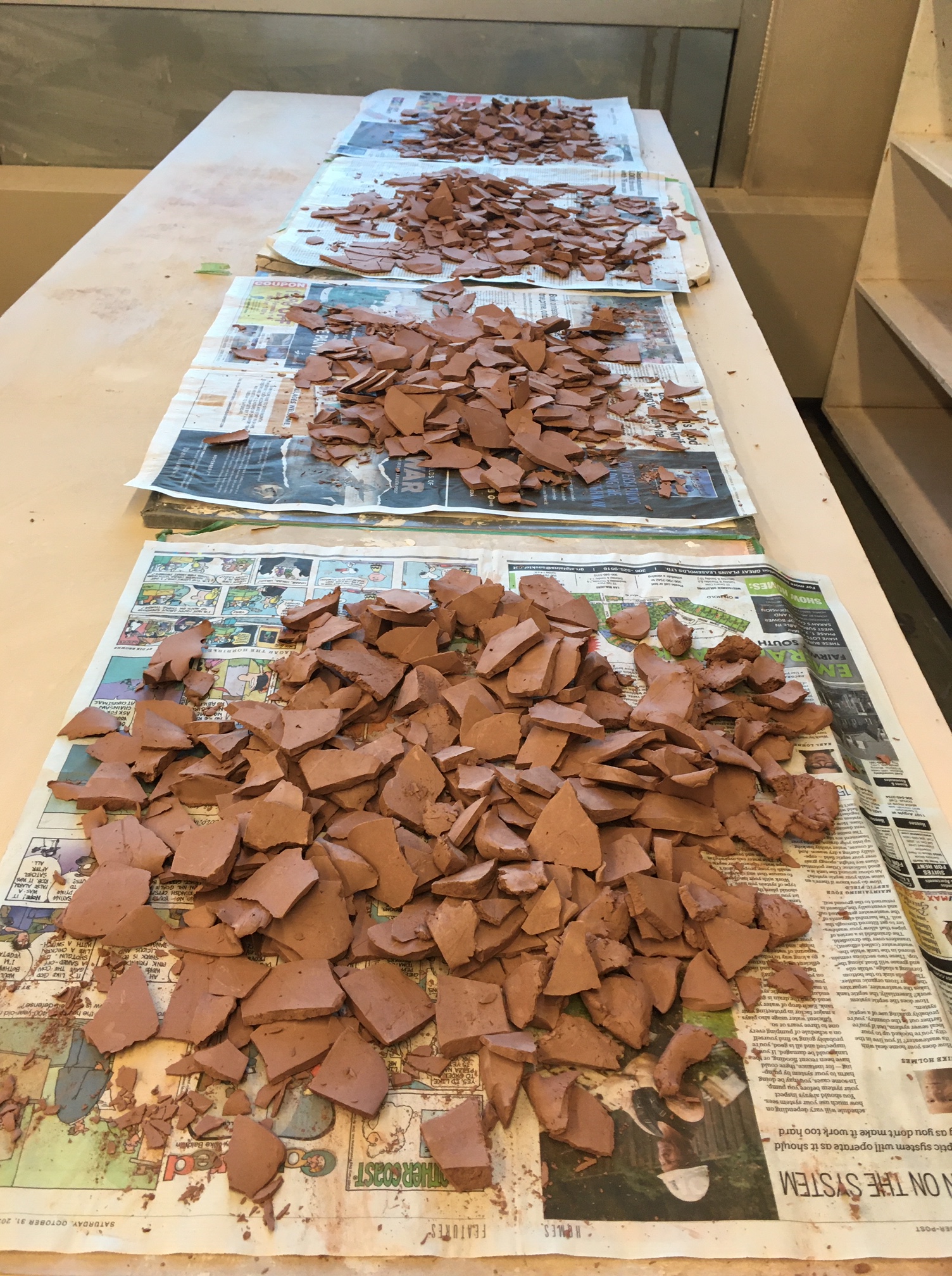
I dried and crushed the clay before soaking it in just enough water to cover it (“slaking it down”) to turn it into slip, a liquid form of clay.

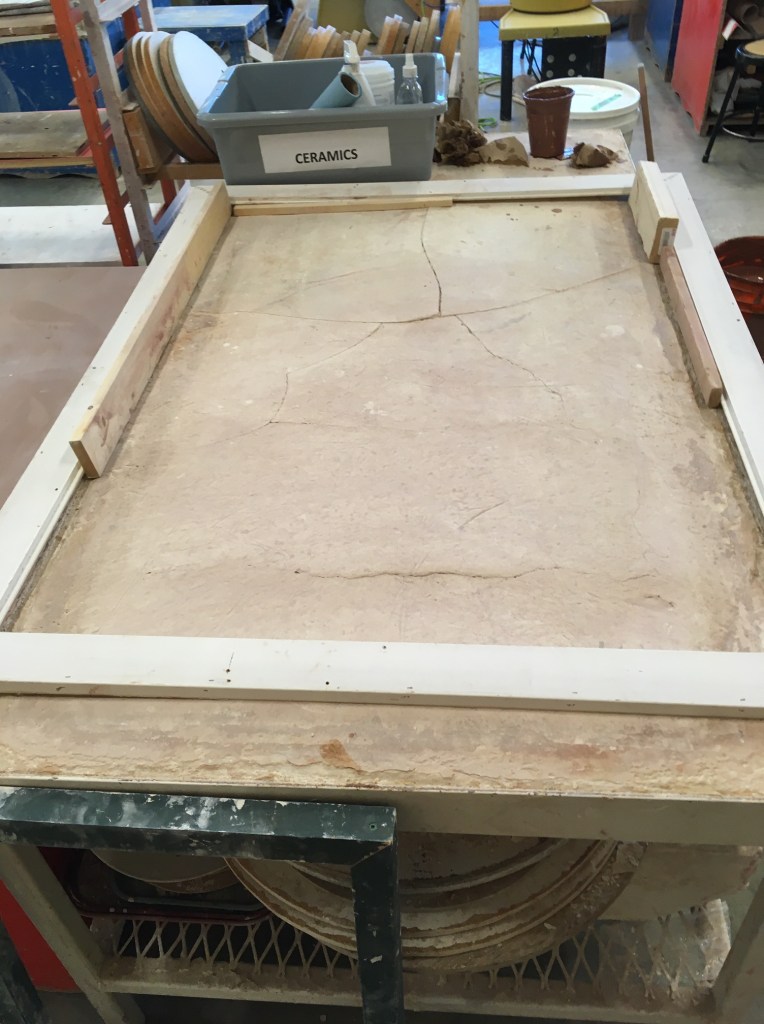
I prepared the plaster drying table in the classroom with “walls” to contain the slip, then covered it with a bed-sheet.
I thought it would be best for the slip to be as thick as possible so that there’d be less water to evaporate out of it before it dried. However, when the five gallon pail of it was dumped onto the table (thanks to Jesse Goddard for his help lifting it), I realized it was too thick. I wanted it to fill out the space I’d made for it evenly, but instead it just sat where it landed, a large… well… something between pudding and turd.
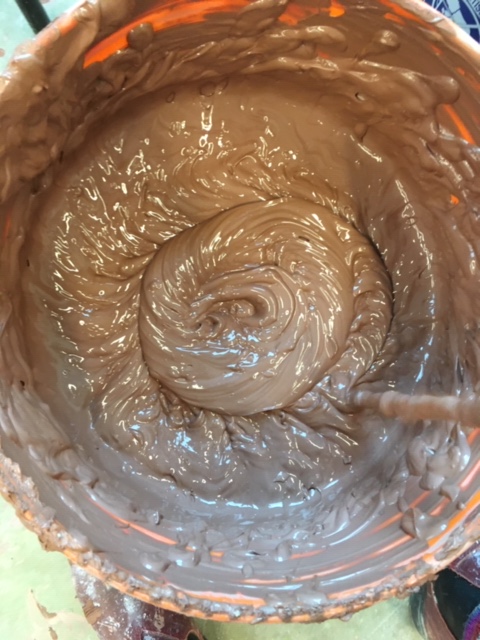
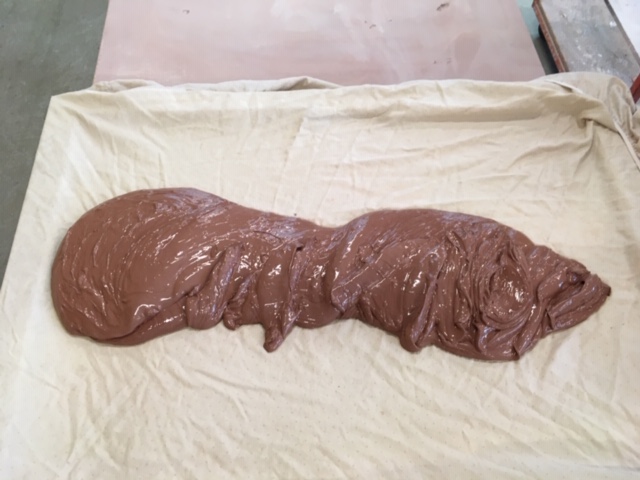
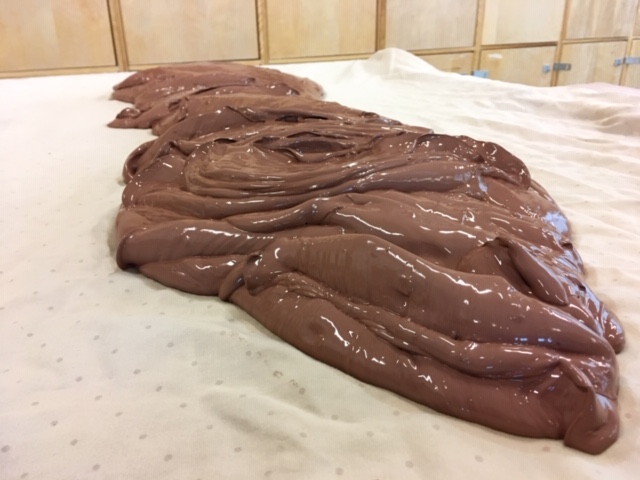
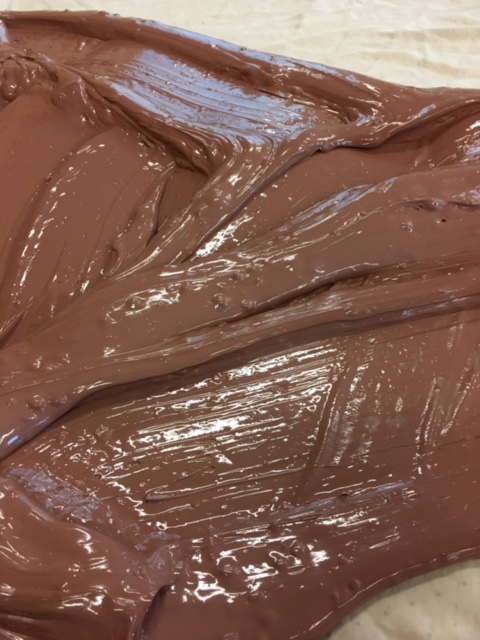
I added water, one yogurt-container-full at a time, and mixed, waiting for it to be a consistency that would run through my fingers (six containers total). In the middle picture below, the slip wasn’t quite there yet. In the picture on the right, it is.
I used water that I’d saved from the process of cleaning off the other tools I’d used (stir stick; drill with blender attachment) in the container I’d used for the slaking down of the clay (it needed cleaning too). These attempts at reducing the environmental footprint of my work are really just gestures at this point, but perhaps they’ll have some significance to my practice one day.
And yes, this was the most glorious tactile experience I’ve had in a long time. I realized two things: just how much I’ve missed working with clay; that while it’s not throwing on the wheel, which is my happy place (when far from mountain silt), I can actually achieve that same sensation of deep-body wellness, peacefulness, just from sinking my hand into a bucket of slip. I made noises.
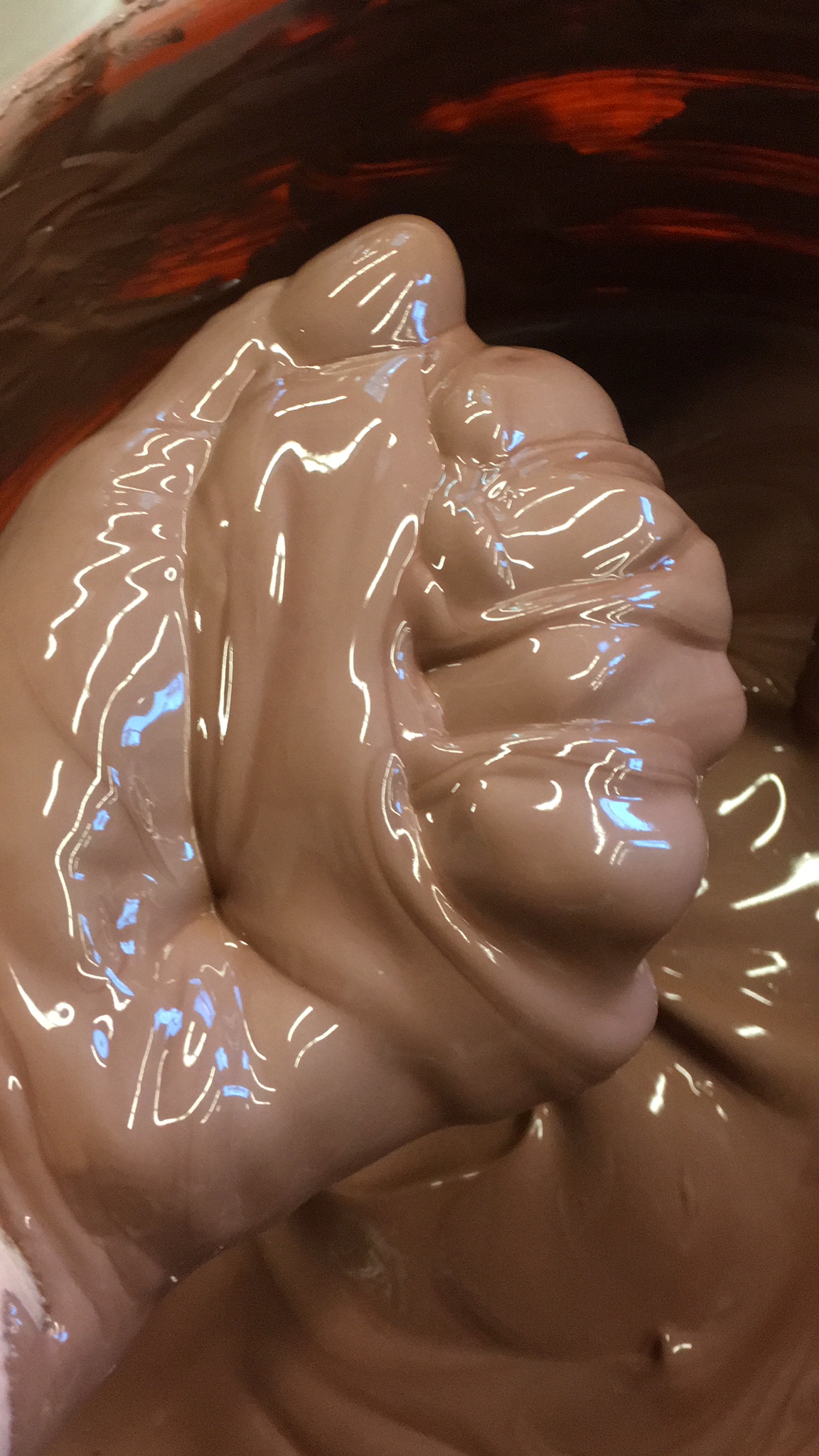
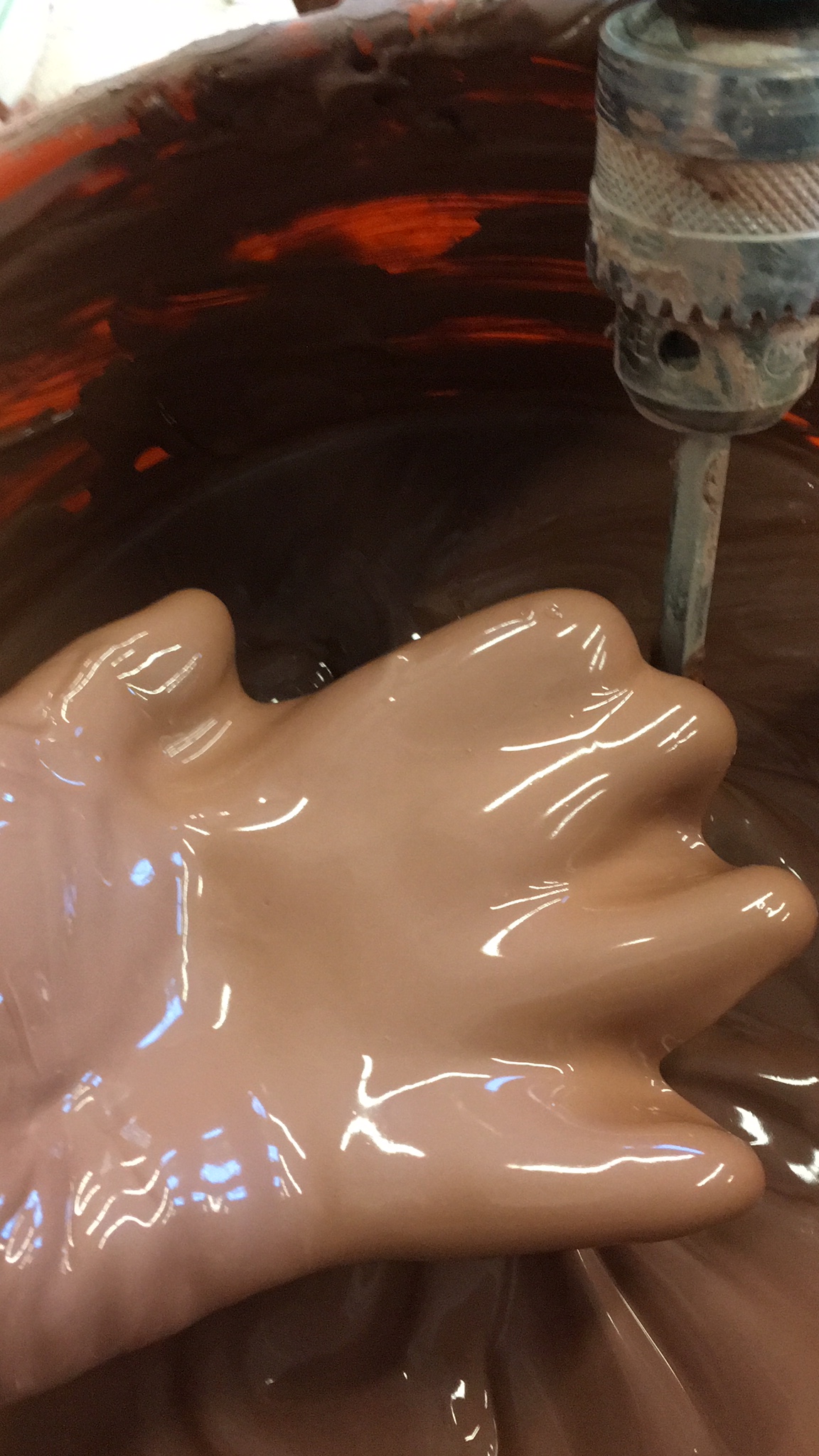
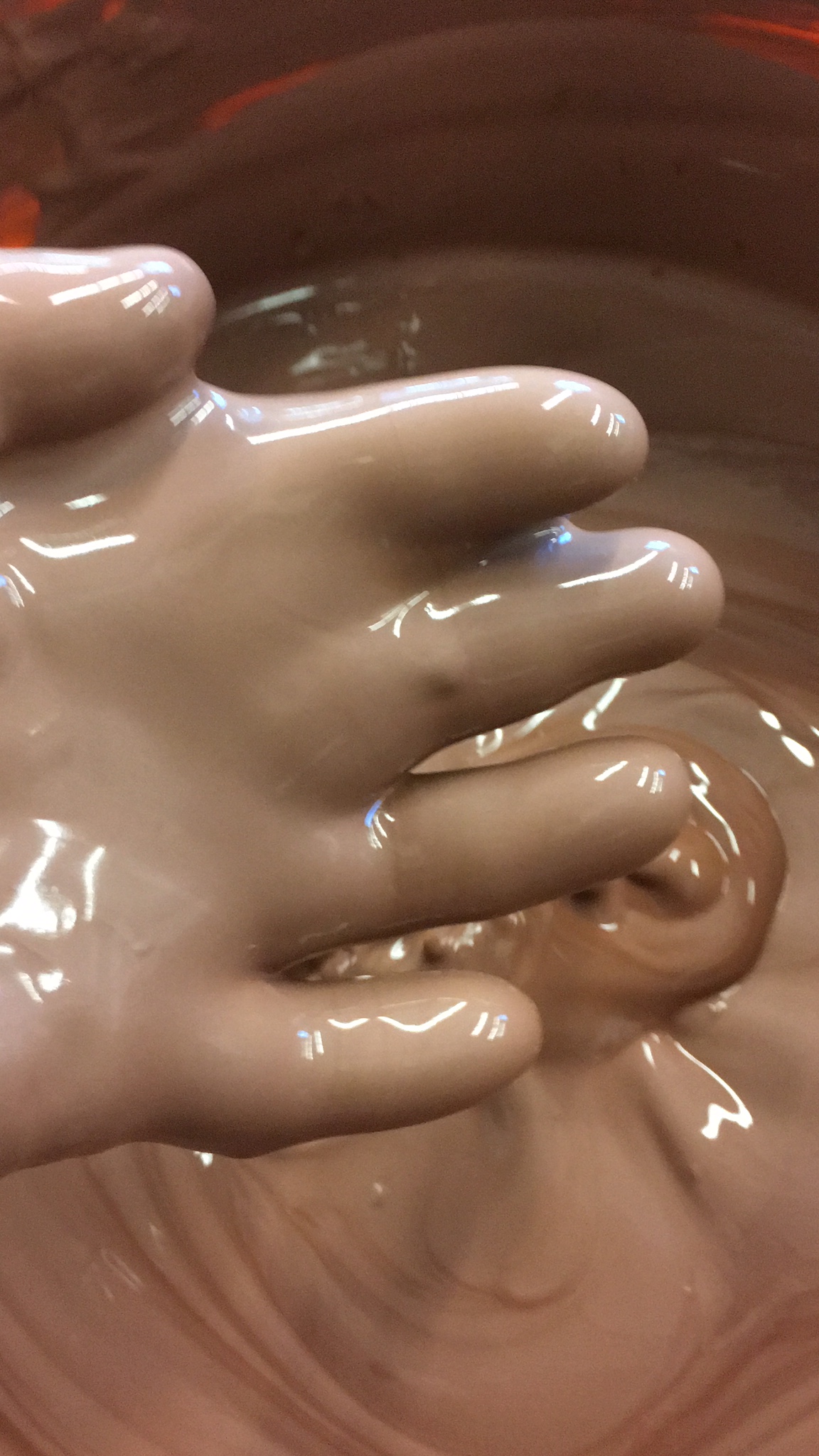
Second attempt at pouring the slip. It was still too thick to spread by itself, but it eventually worked out. A long piece of 1×3 wood helped smooth it over.
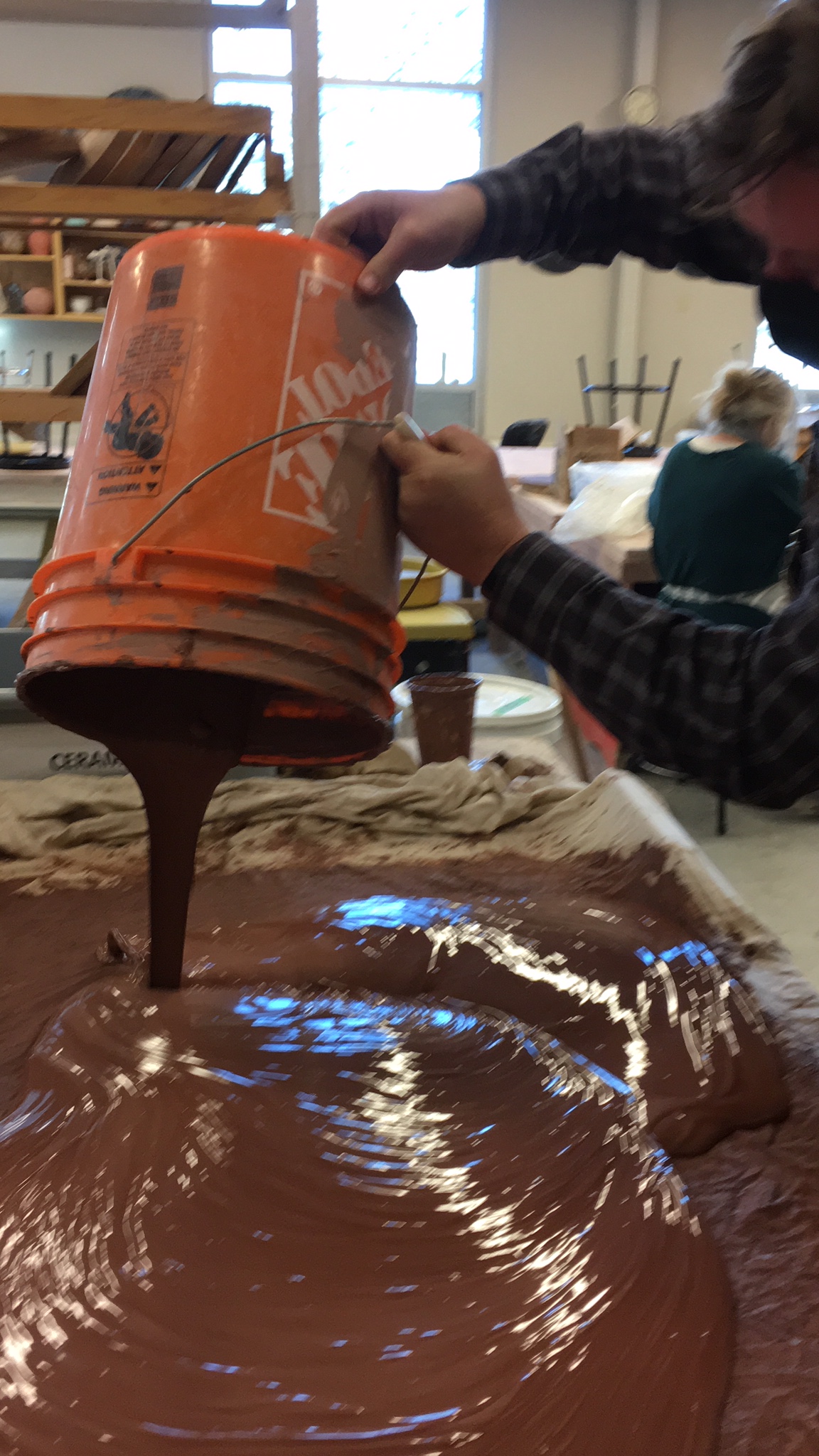
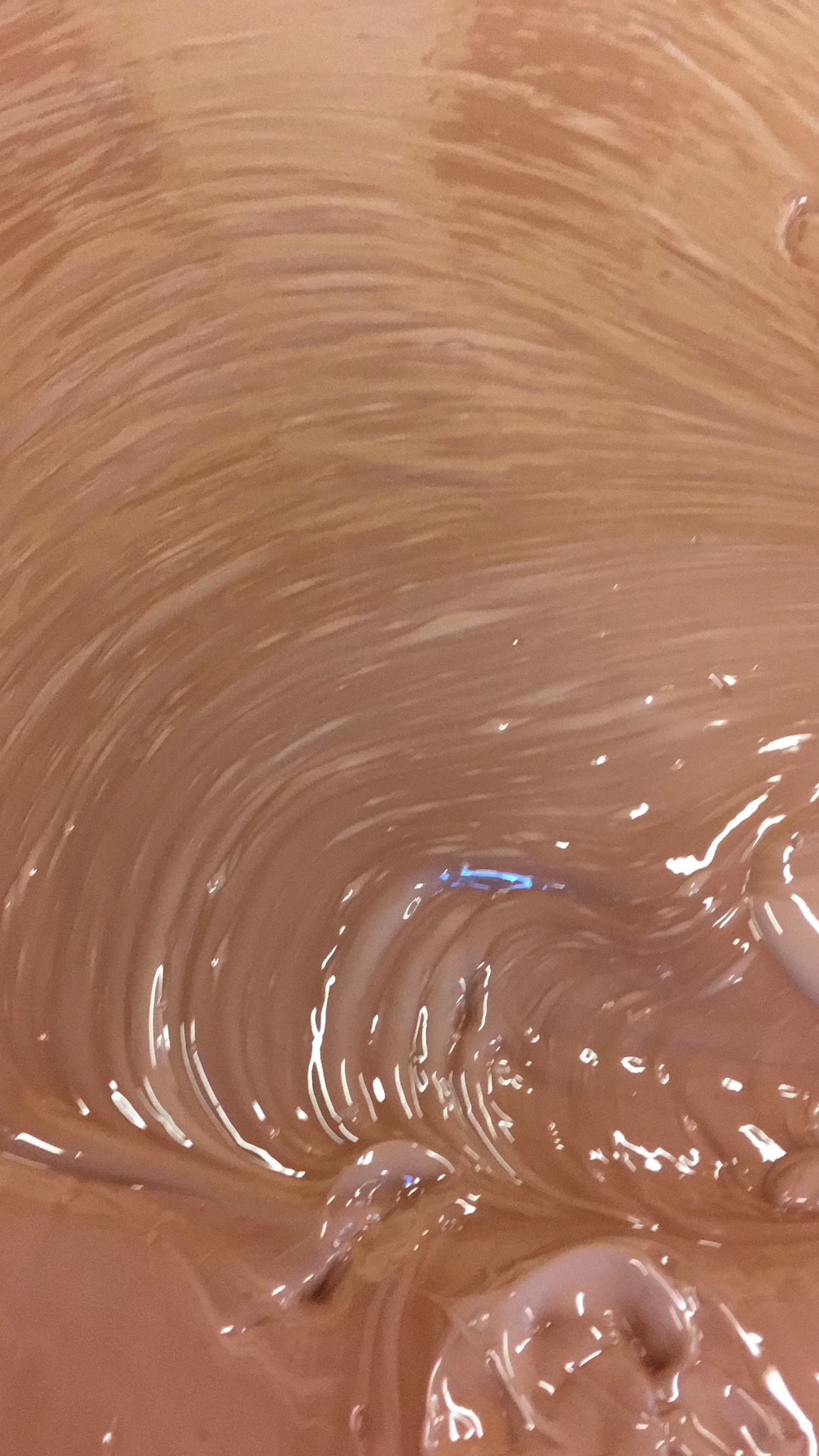
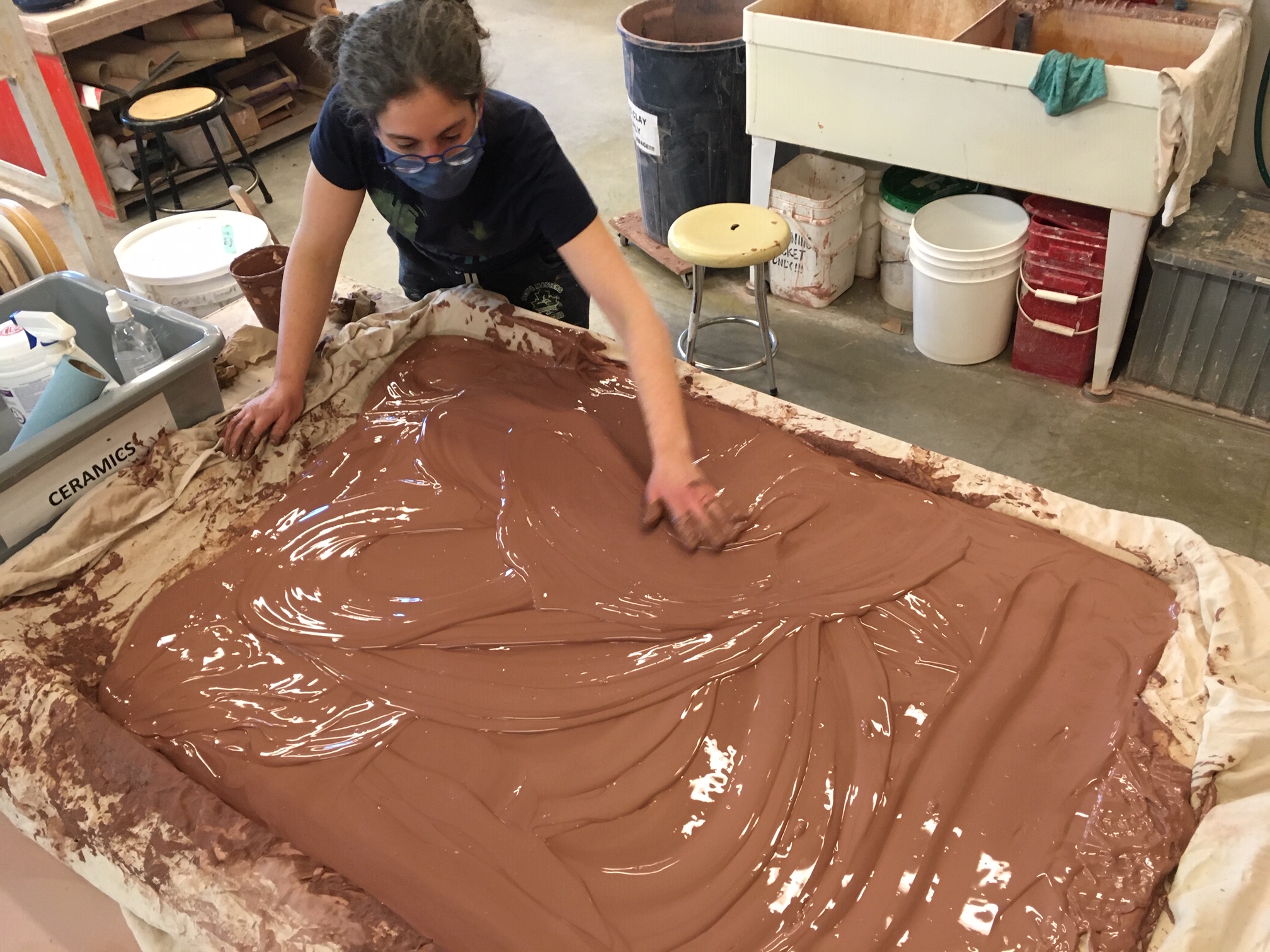
How I left it. I’m excited to see how it dries.
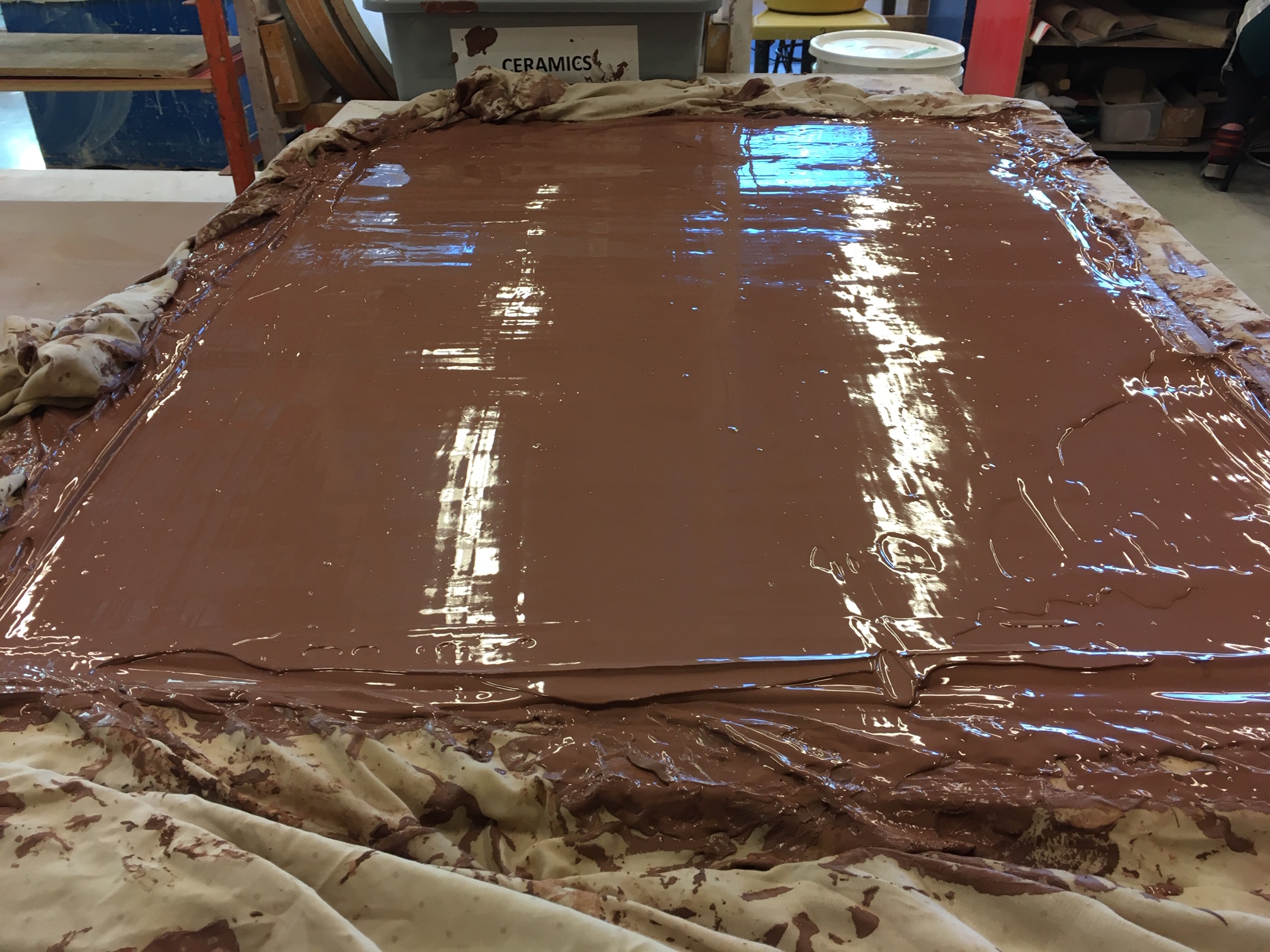
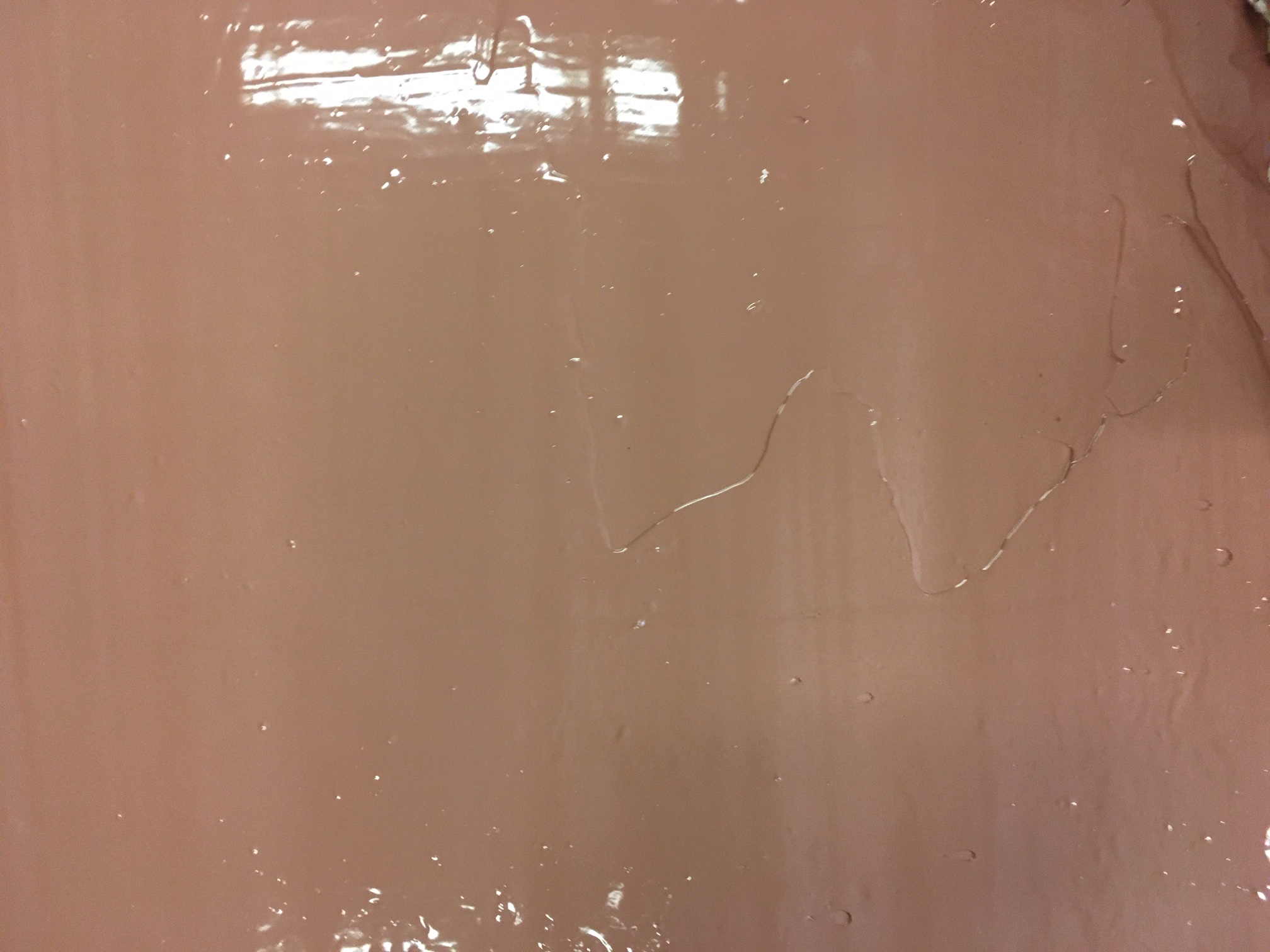
My prediction is that this will not produce the effect I’m after. Having a sheet under the slip (which I thought was necessary to keep it contained and to clean up the table afterwards) and using a plaster table will obviously cause the clay to dry differently from how mud dries on riverbed, but we’ll see. If this doesn’t work, I plan to dry it, smash it, slake it, mix it, and pour it again, perhaps on a 1″ bed of sand.
Experimenting is fun!
 Amy Snider
4 thoughts on “Cracked”